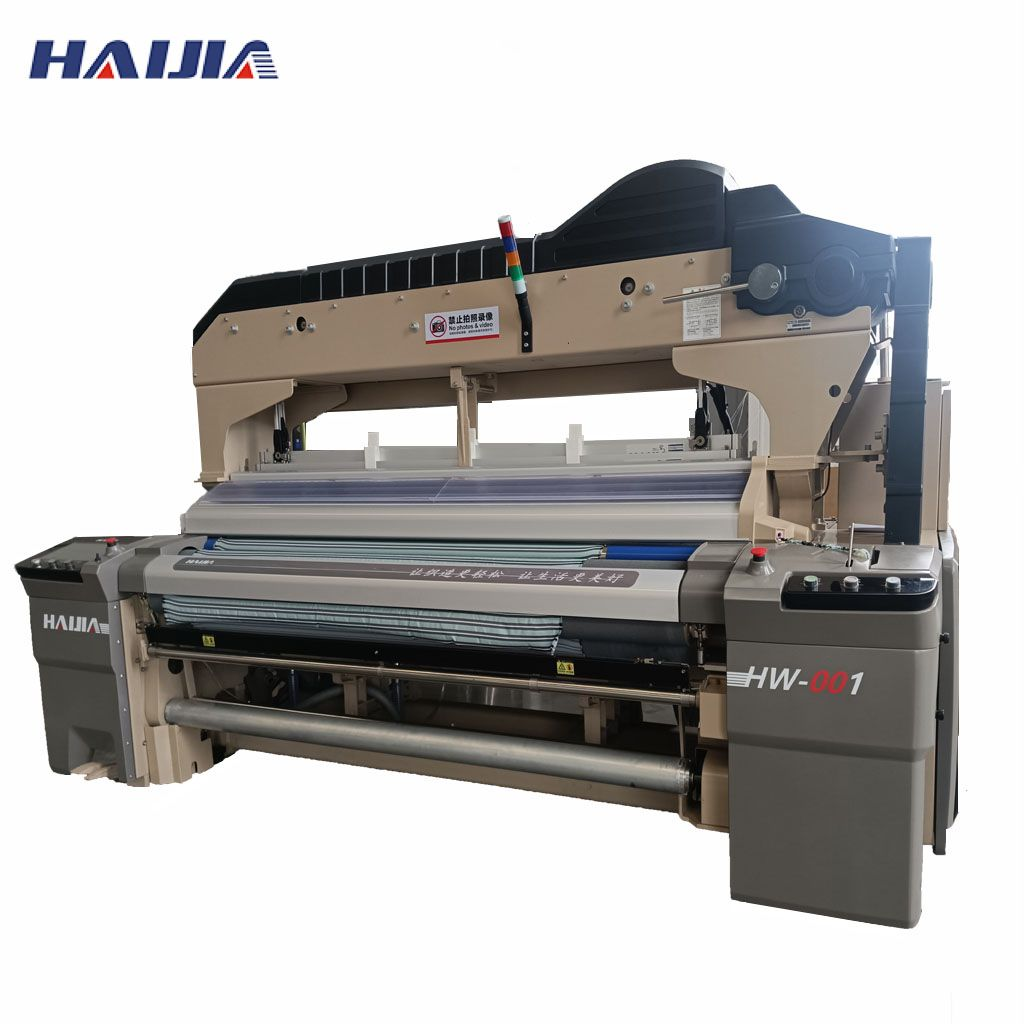
2026-07-16 Choosing between an air jet loom and a water jet loom depends on fiber type, production goals, energy consumption, and factory infrastructure. This guide compares the two weaving technologies by explaining their working principles, material compatibility, weft insertion methods, production efficiency, utility requirements, and scalability. It also analyzes their suitability for different weave structures and fabric types, helping textile manufacturers select the most efficient weaving solution for improving productivity, reducing operating costs, and expanding manufacturing capabilities.
Read More 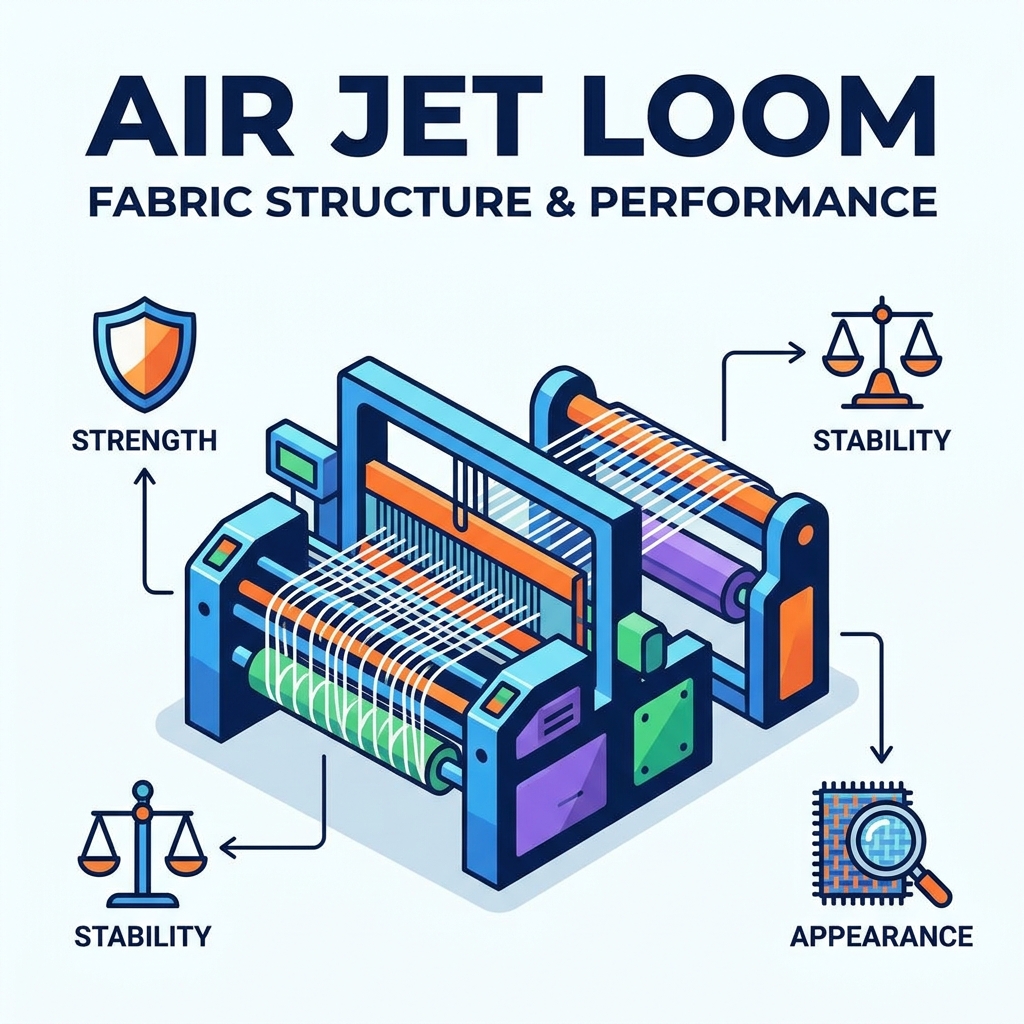
2026-07-16 Understanding weave structure is essential for optimizing fabric performance, production efficiency, and product quality. This guide explains how plain, twill, satin, and basket weaves influence tensile strength, tear resistance, dimensional stability, breathability, drape, and appearance. It also explores how air jet looms improve weaving consistency through precise tension control and high-speed weft insertion, while providing practical recommendations for yarn selection, machine optimization, and weave selection based on different textile applications.
Read More 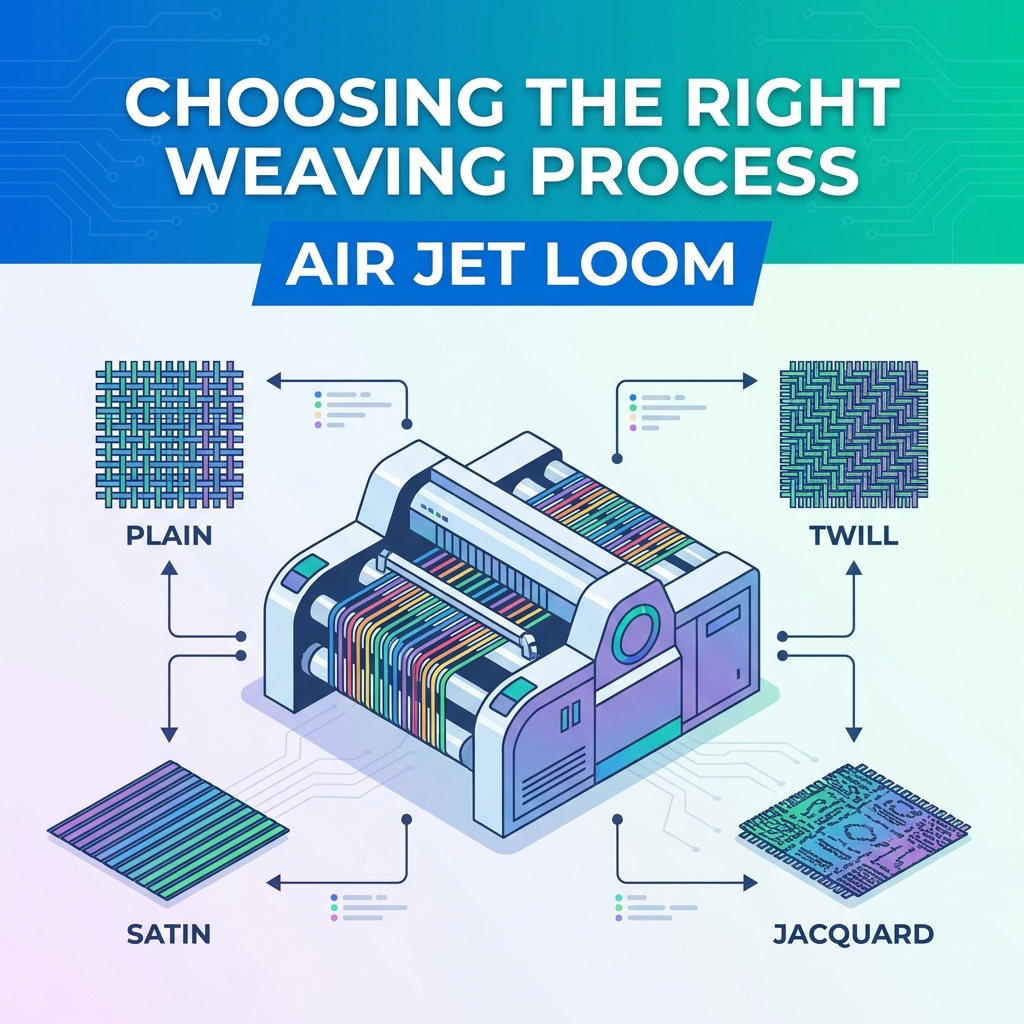
2026-07-16 Choosing the right weaving process is essential for maximizing production efficiency, fabric quality, and manufacturing profitability. This guide compares weaving technologies for plain, twill, satin, and jacquard fabrics while explaining how fabric structure, yarn compatibility, production speed, energy consumption, and operational costs influence loom selection. It also highlights the advantages of air jet looms for high-speed textile production and provides practical recommendations to help manufacturers improve weaving efficiency, reduce downtime, and achieve consistent fabric quality.
Read More 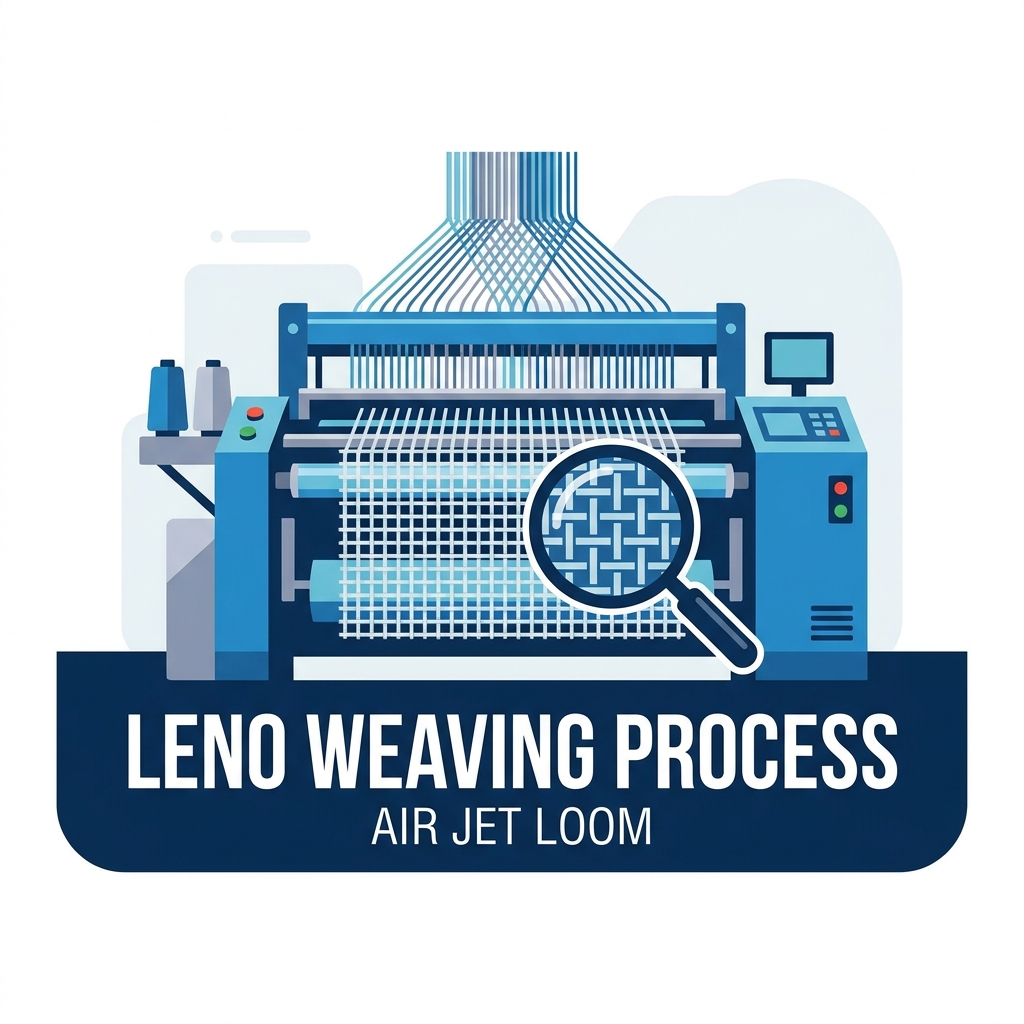
2026-07-16 The leno weaving process creates durable, lightweight, and slip-resistant open-weave fabrics for technical, medical, agricultural, and industrial applications. This guide explains how warp and weft interlocking improves fabric stability while comparing traditional weaving methods with modern air jet loom technology. It also explores production efficiency, yarn compatibility, quality control, equipment investment, and maintenance strategies, helping textile manufacturers increase productivity, reduce downtime, and consistently produce high-quality leno fabrics on a commercial scale.
Read More