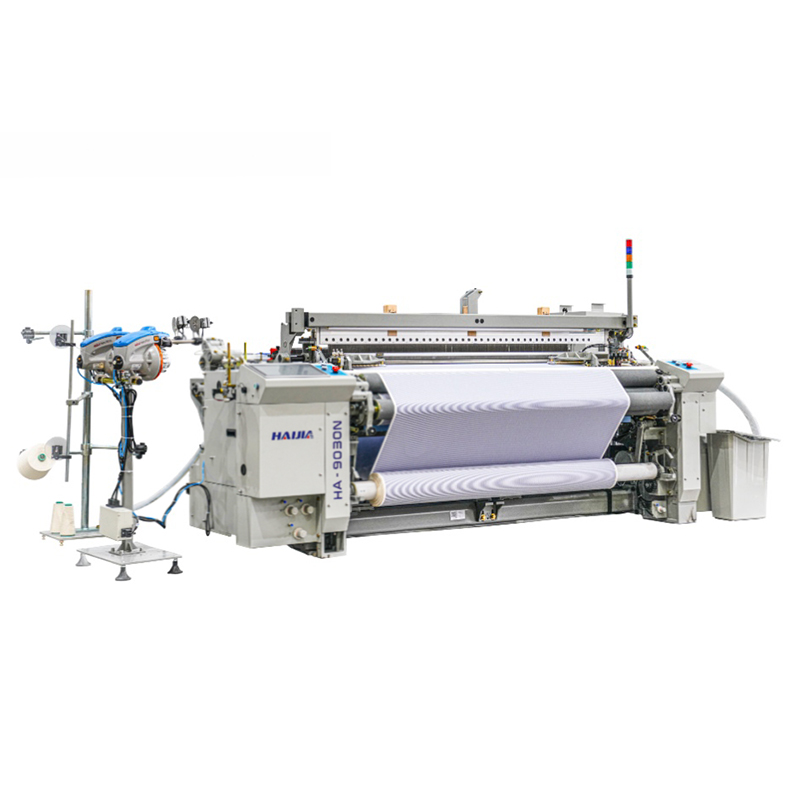
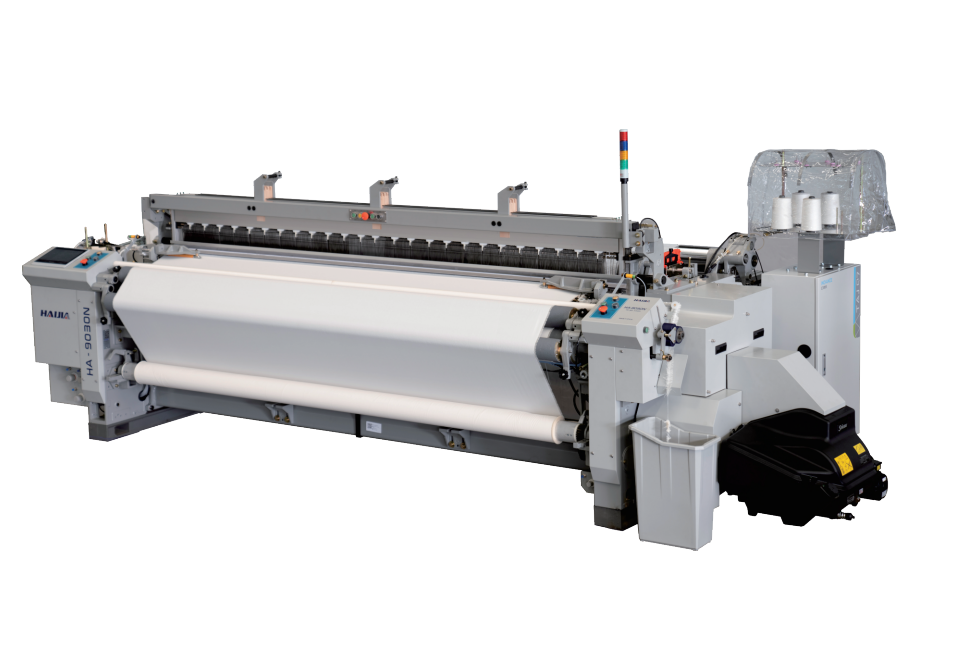
High Speed HA-9030N Series Double Nozzles Air Jet Power Loom Weaving Machine
The High Speed HA-9030N Series Double Nozzles Air Jet Power Loom delivers exceptional weaving efficiency with its advanced air jet technology and robust stainless steel construction. Designed for heavy-duty performance, it features customizable motor options and dual-nozzle precision for superior fabric production.
- Effective reed width: 0-60cm (170~230cm) or 0-80cm (≥280cm) - Motor options: 2.2KW, 3.0KW, 3.7KW, or 6.5KW - Dual-nozzle system (Standard or "U" shaped) for versatile weaving - Optional super start motor drive and double pump configuration
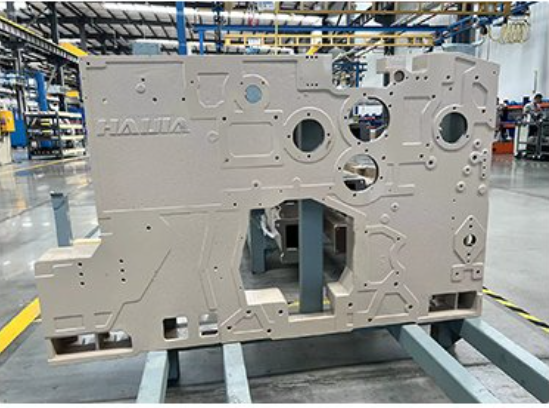
Reinforced Machine Frame The HA-9030N features a strengthened core fuselage designed to provide excellent structural stability during continuous operation. Its rigid construction helps reduce vibration and harsh mechanical noise, resulting in smoother and quieter running performance.
Maximum Speed Up to 1000 RPM The machine can operate at a maximum speed of 1000 RPM, combining high production efficiency with stable weaving performance.
Wide Fabric Compatibility
The HA-9030N is designed to handle a broad variety of fabrics, making it suitable for flexible textile production, including:
High-density pure cotton
Viscose fabrics
Home textile fabrics
Medical gauze
Artificial silk
Infant apparel fabrics
This wide adaptability allows manufacturers to switch between different fabric applications with greater production flexibility.
High-Density Weaving Performance
75D Fabric Reference: Up to 80 picks/cm
Equivalent Density: Approximately 205 picks/inch
Supports dense, uniform and smooth fabric structures
Suitable for applications requiring consistent weaving quality
OEM & ODM Customization
Supported by a technical team of 100+ specialized engineers
OEM and ODM customization available
Machine configurations can be adapted to specific fabric and weaving requirements
Customization support covers design, engineering and final machine configuration
International Quality Certifications
The HA-9030N is supported by recognized quality and compliance certifications, including:
CE
ISO 9001
SGS
These certifications help demonstrate the machine's compliance with international quality, safety and manufacturing requirements.
Enhanced Waterproof Protection
Improved sealing and waterproof design for key internal components
Better protection for electrical and mechanical systems
Suitable for high-humidity textile production environments
Helps improve long-term machine reliability and operational stability
Product Parameters
NO.
Item
Technical Parameters
1
The Effective reed width(cm)
Normal reed width: 0---60cm(170~230cm); 0---80cm(≥280cm)
2
Starting mode
Motorized spindle; Super start motor drive(Optional)
The reinforced integrated machine wall board is made by one complete casting which highly improves the frame rigidity and reduces the vibration and noise pollution. Connected with cross beams and middle supporting beam, the re-designed two machine wall boards are firmly jointed together in 20mm lower height which is more suitable for machine operators to manage. This robust foundation is treated with an advanced electrophoretic spraying process, giving the metal a sleek, cool-to-the-touch finish while providing exceptional long-term resistance against rust and corrosion. Every frame undergoes a strict 100% finished product inspection and raw material traceability protocol, ensuring that the structural integrity remains uncompromised even after years of continuous, heavy-duty operation in demanding textile environments.
ELECTRONIC LET-OFF
The total tension of the warp is detected by the highly sensitive tension sensor. The CPU handles the change of the warp tension caused by the opening or the change of the loose warp, let off warp and the winding diameter of the warp shaft, and commands the servo motor to drive the warp shaft. This precise digital coordination serves to maintain the balanced tension during the working process, completely eliminate the loose and dense gear marks, and ensure the absolute stability of the fabric tension. As a result, the woven fabric emerges with a uniform, flawlessly smooth texture that feels premium to the touch, drastically reducing the defect rate and minimizing material waste for facility operators.
WEFT INSERTION SYSTEM
In order to reduce weaving costs and better protect the environment, splash proof "U" nozzles are widely used. Compared with ordinary nozzles, splash proof "U" nozzles have better water line bunching performance, delivering a concentrated and powerful burst of air or water. Plunger with smaller diameter is used to achieve stable operation under small opening weft insertion and small water volume. A single loom can save 10% water, which is widely applicable to weaving fine denier, high-density and high-speed fabrics. By integrating Japanese original SMC pneumatic components and an optimized air path design, this system further achieves an impressive 20% to 25% savings in electrical energy, keeping daily air consumption strictly under 1 cubic meter per minute and significantly lowering operational overhead.
BEATING-UP SYSTEM
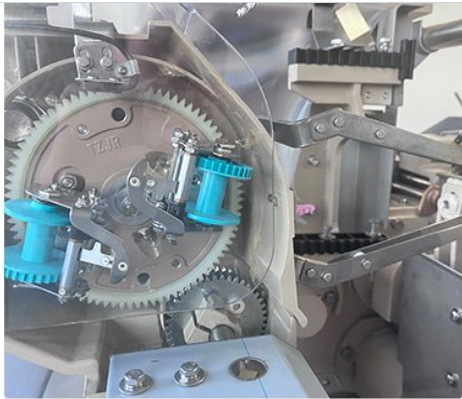
The optimized beating-up system achieves shorter stroke with low vibration which is designed in modern style on the basis of motion analysis and dynamic equilibrium analysis. The independent developed U type solid beating shaft and beating shaft counter balance system can be used for both narrow machine and wide machine. The small stroke 4-linkage beating system is widely acknowledged for narrow machines while the 6-linkage beating system with longer relative static time and stronger beating force provides the best choice for wide machines to make wide and high density fabrics. The heavy, impactful yet perfectly balanced motion ensures that every single weft thread is packed tightly, creating fabrics that are visually uniform and physically resilient.
ELECTRIC CONTROL
Using a motorized spindle with no brake disc, which saves more than 20% electricity compared to traditional asynchronous motors; by working with the new optimized control system in place, stepless speed change can be achieved seamlessly. This intelligent electrical architecture not only provides operators with highly responsive, tactile button controls but also dramatically reduces the thermal output of the machine during continuous shifts. Facilities utilizing this control mechanism will notice a measurable drop in their monthly power consumption, directly contributing to a leaner, more cost-effective manufacturing operation.
SELVAGE SYSTEM
It provides a significantly larger opening to reduce weft blocking and increase overall machine efficiency. With a separate selvaging device, it can catch the weft by its own dedicated mechanism instead of relying on the movement of two extra heald frames. This independent operation minimizes mechanical stress on the primary weaving components and results in remarkably neat, tight, and consistent fabric edges. Operators will appreciate the reduced manual intervention required to clear snags, allowing for smoother, uninterrupted production runs even when weaving challenging yarn types.
Our product lineup includes the efficient auto water jet loom, the precision-engineered water jet loom with dobby shedding, the high-powered water jet loom, and the professional water jet loom. These looms incorporate innovations in the weft beating mechanism and opening device, complemented by the introduction of the "U" type short pitch nozzle. These advancements collectively elevate weft drawing performance, ensuring superior speeds and weaving efficiency across our diverse water jet loom options.
Our water jet looms renowned for their reliability, efficiency, and cutting-edge features, it's reliable, electric and full automatic and waterproof.
The efficient water jet loom's redesign, integrating the wall plate, significantly enhances speed and stability. The optimized weft guiding system adapts to high speeds efficiently. Implementing a "U" type weft beating shaft with reinforced supports and centralized lubrication boosts force, durability, and lifespan. Suitable for various fabrics like twisted chiffon, nylon taffeta, spandex, and down jacket fabrics.
The machine's entire wall plate is reinforced to strengthen the design, and the reed protection cam section is newly optimized to improve the waterproof effect.
The HW-6008 Series Water Jet Power Loom delivers exceptional high-speed weaving performance with optimized stability, achieving up to 1200 RPM for efficient production of twisted chiffon, nylon, and elastic textiles. Its reinforced "U" type weft beating system and advanced balance mechanism ensure superior fabric quality and extended machine lifespan. - Maximum speed: 1200 RPM with enhanced stability through integrated wall plate design - Versatile fabric production: Ideal for twisted chiffon, nylon, elastic textiles, and more - "U" type weft beating shaft and specialized balance system for consistent performance - Optional configurations: Motor capacity (2.2KW-6.5KW), single/double pump, and nozzle types
HAIJIA machinery assembly has a complete standard system and quality inspection system, and the source of parts production can be traced. The accessories are made by Japan Makino, Japan Mazak lathe for finishing and production, the machine has high precision, low vibration, and high stability.
The HA-9020N Series High Speed Air Jet Loom Machine is an award-winning textile innovation, recognized as the "Light of Textile" by China Textile Industry Federation. This advanced model features six optimized nozzles for producing high-value-added fabrics with diverse weft yarns, delivering exceptional stability, reduced vibration, and superior energy efficiency. - Award-winning technology: "Light of Textile" 2019 achievement by China Textile Industry Federation - Enhanced performance: 6-nozzle system for high-value fabric production with multiple weft yarns - Operational excellence: Low vibration, high stability, and energy-saving design - Flexible configurations: Optional motor drives (2.2KW-6.5KW), pump systems, and shedding mechanisms - Safety features: Two-hand operation control buttons for secure running operation