Tel: +86-532-83130887 Email: eiffel@qdhaijia.net

| Quantity: | |
|---|---|
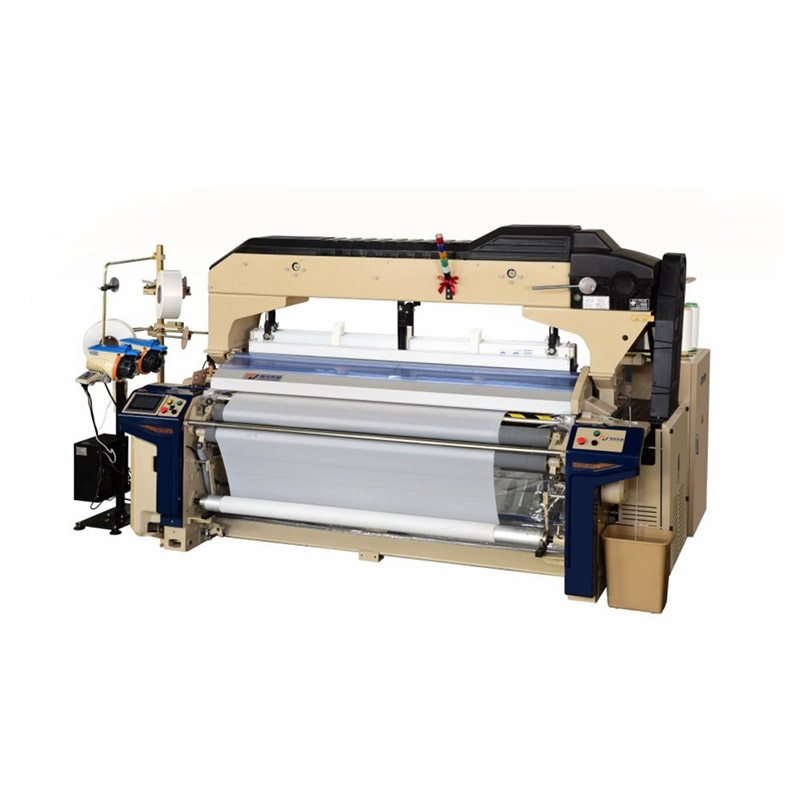
HW-6008
HAIJIA
The foundation of consistent textile production relies heavily on structural stability. The reinforced integrated machine wall board is made by one complete casting, which highly improves the frame rigidity and absorbs kinetic energy during rapid operation. This heavy-duty metallic chassis significantly reduces vibration and noise pollution on the factory floor, even when pushing the equipment to its maximum operational threshold of 1200 rpm. Connected with rigid cross beams and a middle supporting beam, the re-designed two machine wall boards are firmly jointed together in a 20mm lower height. This ergonomic adjustment is specifically engineered to be more suitable for machine operators to manage daily threading and maintenance tasks. Furthermore, the entire frame undergoes an industry-leading electrophoretic spraying process, providing exceptional anti-corrosion and rust prevention that extends the equipment's service life to 2-3 times that of standard alternatives, thereby maximizing long-term capital investment returns.
Achieving flawless fabric output requires exact tension management from the very first inch of yarn. The total tension of the warp is continuously detected by a highly sensitive tension sensor. The central CPU handles the change of the warp tension caused by the opening or the change of the loose warp, let off warp, and the winding diameter of the warp shaft. It instantly commands the servo motor to drive the warp shaft, so as to maintain the balanced tension during the working process. By dynamically adjusting to these micro-fluctuations, this optimized electronic let-off system effectively eliminates the loose and dense gear (weft bars) that often plague standard weaving processes. Textile manufacturers benefit from this precision by ensuring the absolute stability of the fabric tension, resulting in a premium, uniform tactile feel across the entire woven roll and drastically reducing the percentage of rejected materials.
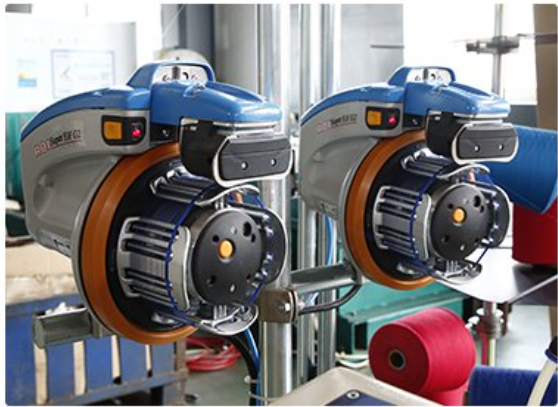
Resource optimization is a critical factor for large-scale textile operations. In order to reduce weaving costs and better protect the environment, splash-proof "U" nozzles are widely used in this series. Compared with ordinary nozzles, splash-proof "U" nozzles have significantly better water line bunching performance, creating a highly focused, high-velocity fluid stream. A specialized plunger with a smaller diameter is used to achieve stable operation under small opening weft insertion and small water volume conditions. This precise fluid dynamic control means a single loom can save 10% water without compromising insertion speed or accuracy. This technology is widely applicable to weaving fine denier, high-density, and high-speed fabrics, ensuring that the yarn is carried cleanly across the shed while minimizing environmental impact and operational utility expenses.
The physical density and structural integrity of the final fabric are directly dictated by the beating mechanism. The optimized beating-up system achieves a shorter stroke with remarkably low vibration, which is designed in a modern style on the basis of advanced motion analysis and dynamic equilibrium analysis. The independent developed U-type solid beating shaft and beating shaft counter-balance system provide unparalleled kinetic stability and can be used for both narrow machine and wide machine configurations. The small stroke 4-linkage beating system is widely acknowledged for narrow machines, delivering rapid and precise weft packing. Conversely, the 6-linkage beating system, characterized by a longer relative static time and stronger beating force, provides the absolute best choice for wide machines to make wide and high-density fabrics, ensuring every weft yarn is locked tightly into the weave for a premium, heavy-weight textile feel.
Power consumption represents a major ongoing expense in fabric production facilities. This machine addresses this by using a motorized spindle with no brake disc, which saves more than 20% to 25% electricity compared to traditional asynchronous motor setups. By eliminating mechanical transmission losses, the direct-drive architecture delivers immediate torque and smooth, stepless acceleration. Working in tandem with the newly optimized control system, stepless speed change can be achieved effortlessly via the digital interface. This intelligent power management not only lowers the thermal footprint of the weaving floor but also provides facility managers with granular control over production speeds, allowing them to match the exact kinetic requirements of different yarn specifications while heavily reducing operational overhead.
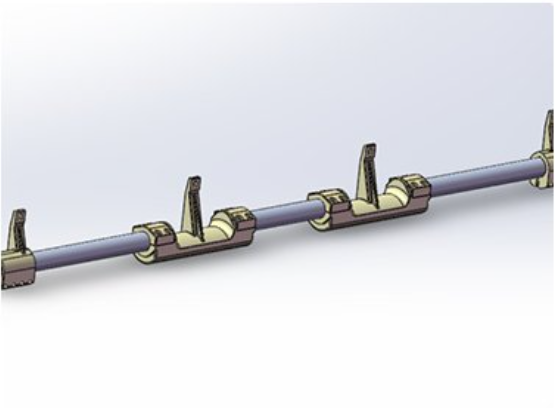
Edge finishing is critical for preventing fabric fraying during subsequent dyeing and finishing stages. This engineered mechanism provides a larger opening to significantly reduce weft blocking and increase overall machine efficiency. Equipped with a separate selvaging device, it can catch the weft by its own dedicated device instead of relying on the movement of two extra heald frames. This separation of duties reduces the mechanical load on the primary shedding motion, minimizes friction on the edge yarns, and ensures a clean, tightly bound selvage that meets the strict requirements of downstream textile processing facilities.
Apparel & Garments: Fine lining cloth, spandex blends, and high-density clothing fabrics.
Home Textiles: Upholstery base layers, fluffy fabrics, and dense shade fabrics for window treatments.
Industrial & Accessories: Heavy-duty luggage fabrics and specialized chemical fiber applications.