Fabric Defect Detection System
The on-machine online vision inspection system scans the full fabric width to detect defects including broken warp /weft yarns, thin / dense bars, reed marks, holes and stray yarns. Severe defects trigger audio-visual alarms and machine halt. Defect images and position data are automatically archived to generate quality reports, supporting proactive fabric-quality control and easing the inspection burden for downstream customers.

Low-Vibration Rigid Reinforced Frame
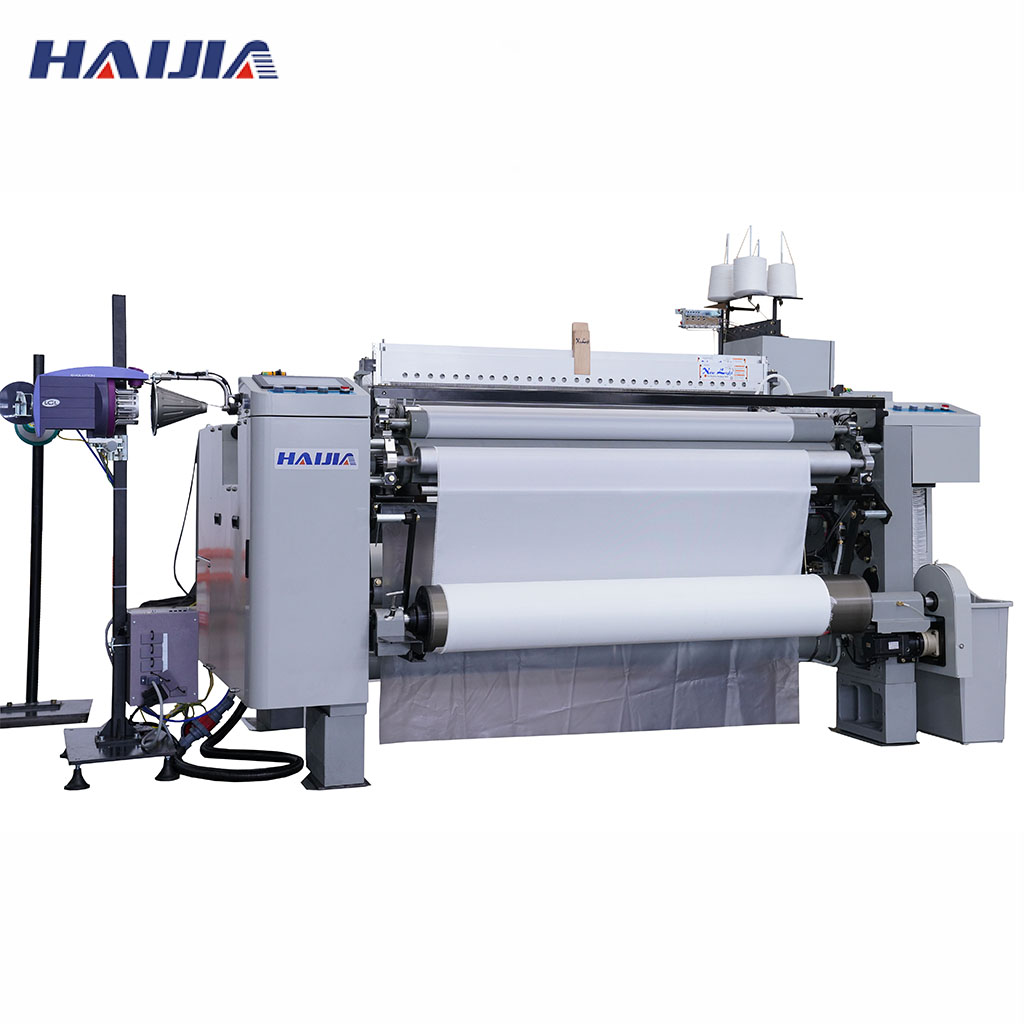
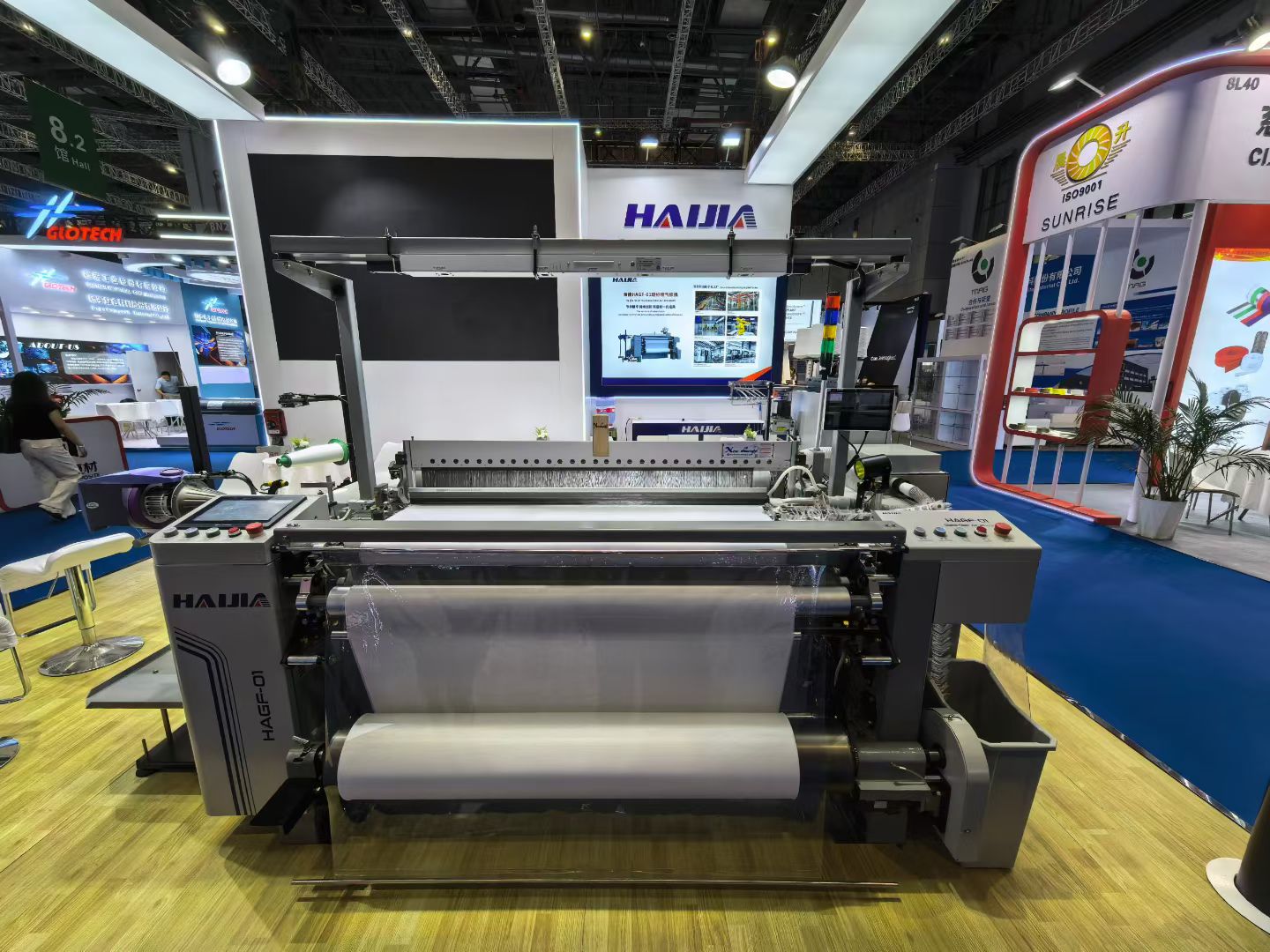
The reinforced integrated side-plate structure, paired with the newly-designed crossbeam, boosts the overall rigidity of the machine frame. Additional support and damping structures fitted at the frame middle section effectively suppress vibration and deliver more stable weaving conditions for electronic-grade fabrics.

Dedicated Balanced Beating-up Mechanism
The newly optimized beating-up structure dedicated for fiberglass weaving delivers balanced and consistent beating force. Tailored for the rigorous operating conditions of fiberglass weaving, it minimizes damage to fiberglass yarns and improves finished quality of electronic-grade fabrics.

Dual Back Rest Electronic Let-off
It adopts a dual back-rest tension-buffer design with independent servo drives, delivering real-time dynamic warp-tension compensation for highly precise warp tension control.

Dual Back Rest Electronic Let-off
It adopts a dual back-rest tension-buffer design with independent servo drives, delivering real-time dynamic warp-tension compensation for highly precise warp tension control.

Dual Back Rest Electronic Let-off
It adopts a dual back-rest tension-buffer design with independent servo drives, delivering real-time dynamic warp-tension compensation for highly precise warp tension control.
Company Profile
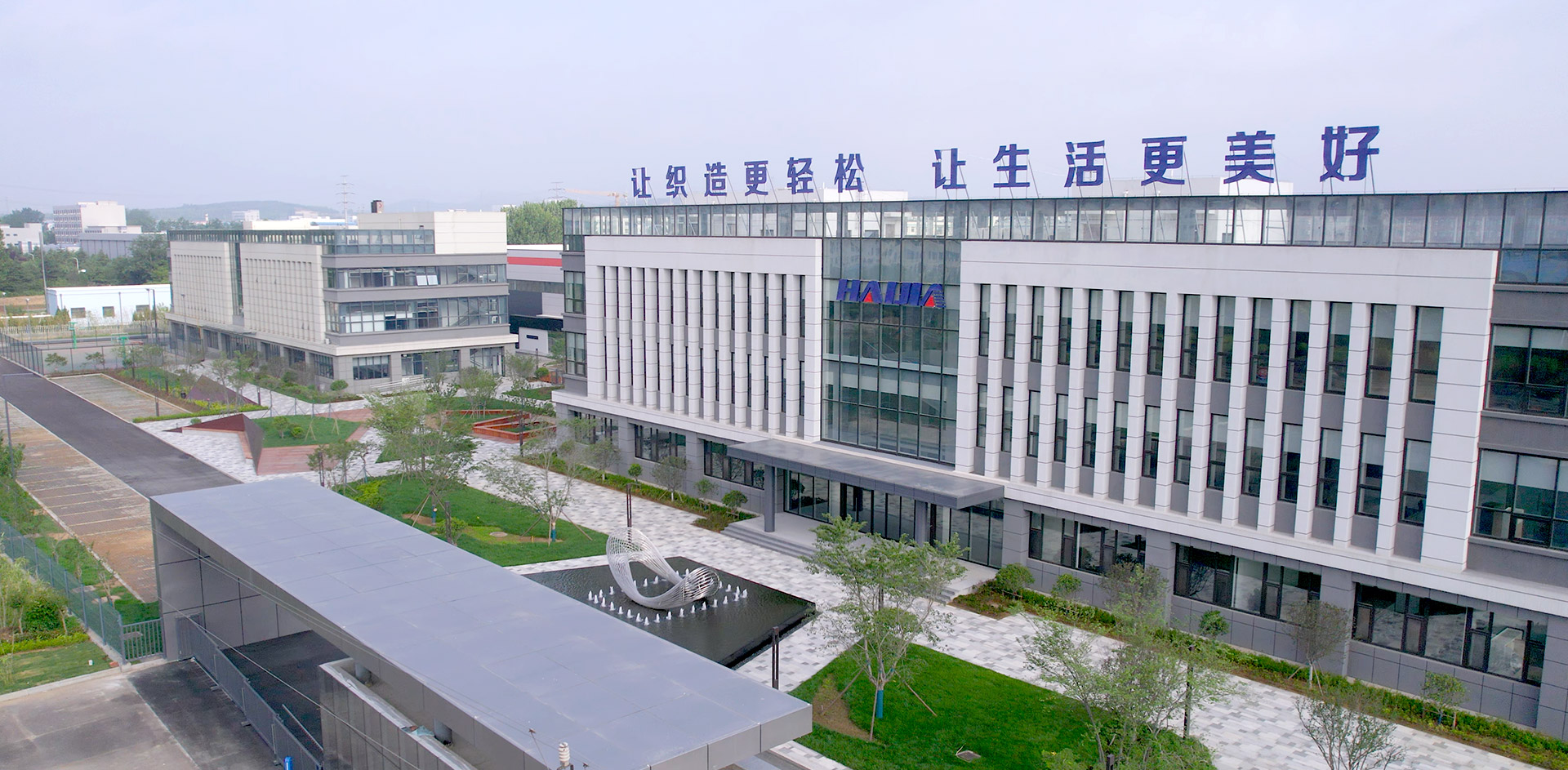
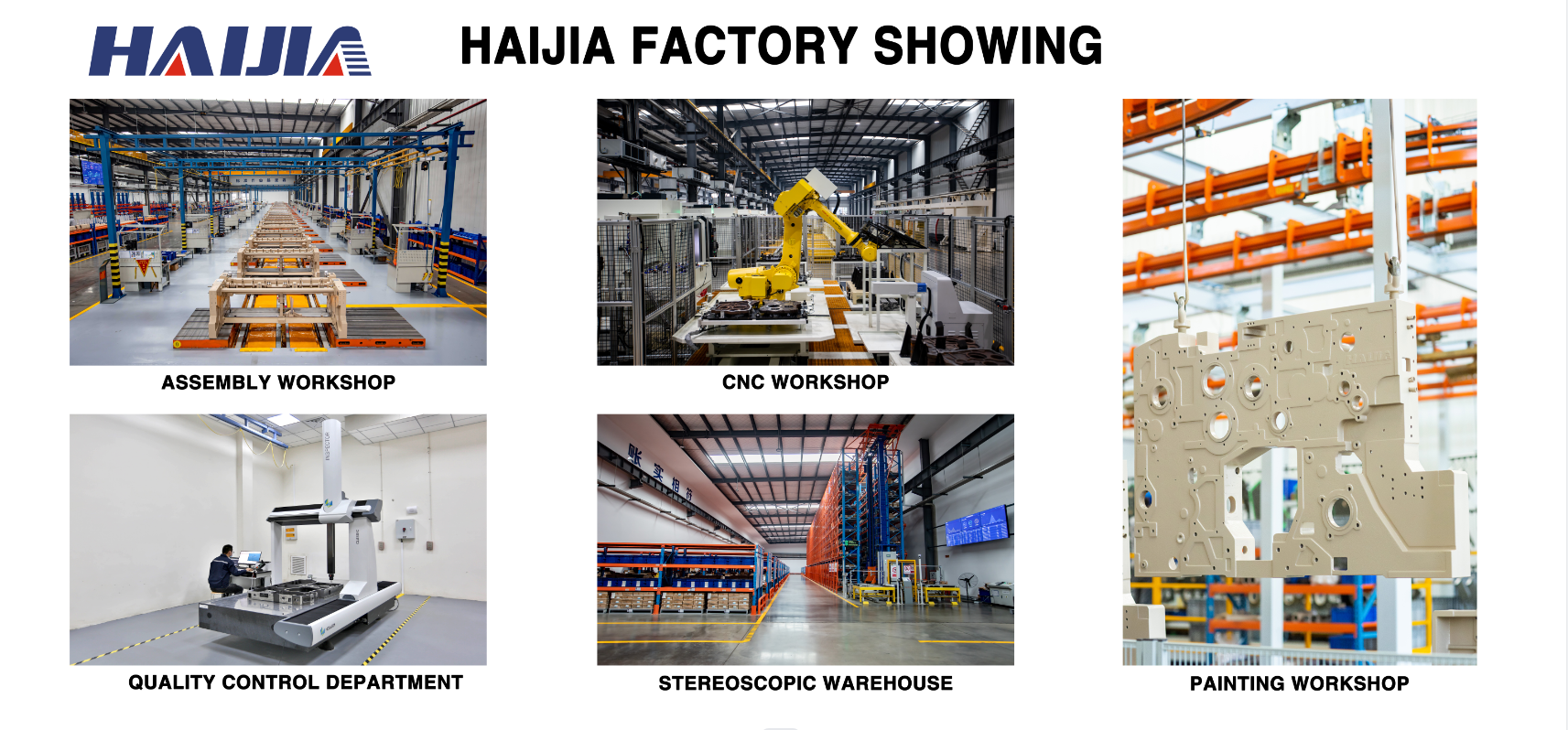
HAIJIA Machinery was founded in 1995 and headquarter located in Qingdao, China. Nearly 30 years of continuous development,With the unremitting effort, our products have been exported to more than 30 countries around the world . At present, Haijia Machinery has established an internationally competitive group enterprise integrating R&D, design, manufacturing, marketing and after-sales service. we has two smart manufacturing plants,one big auxiliary plants, six offices at home and abroad and a Zhiduoduo SaaS service platform for textile machinery spare parts . We have R&D department including more than 100 engineers which are improving and engaging our support range. with more than 600 employees ,cover 150,000 sqm and an annual production capacity of over 20,000 units.


Packaging & Shipping
")
Exhibition Show

FAQ
Question:What types of electronic fabric can be woven?
Answer:One single machine platform coversthe fullproductportfolio with no requirement for core-componentreplacement. Via fine-tuning of parameters andcomponents, it enables stable mass production ofmainstream electronic fabric grades, includinglightweight fabrics (106), standard-weight fabrics1080) and heavy-weight fabrics (7638, 7628, 2116). Itcuts redundant equipment investment and allowsflexible switching among multiple production orders.
Question:How much air does a air jet loom consume per day?
Answer:Haijia air jet loom adopts Japanese original SMC air pipe, magnetic valve,pressure regulating valve and other accessories; Shorten the distance from the sub-nozzle to the reed, make the air supply more centralized, control the air pressure and air capacity separately to minimize energy consumption. The maximum air consumption of the machine does not exceed 1 cubic meter per minute, making it the best choice for energy conservation and consumption reduction.
Question:What rotate speed can a air jet loom achieve?
Answer:The rotational speed of a loom is related to factors such as reed width, fabric type, and yarn specification. For 2116 fabric, Our model is designed to rotate at a maximum speed of 800rpm, but it may vary slightly depending on the fabric type.