Tel: +86-532-83130887 Email: eiffel@qdhaijia.net

Views: 0 Author: Site Editor Publish Time: 2026-06-15 Origin: Site
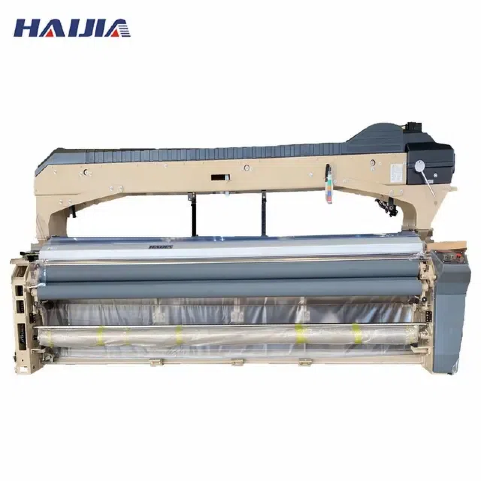
Water jet loom looms revolutionize textile manufacturing with speed and precision. But not all machines are created equal. Choosing quality suppliers is crucial.
These looms use high-pressure water to weave fabrics efficiently. China leads as a top supplier, offering diverse options.
In this post, you’ll learn how to compare quotes, evaluate quality, and avoid low-grade machines from Chinese suppliers.
Table of Contents
When comparing quotes from water jet loom suppliers, focusing on key features helps ensure you get machines that meet your production needs and quality standards.
Look closely at the loom's operating speed and precision. High-speed looms boost output but must maintain fabric quality. Precision affects the accuracy of weft insertion, reducing defects. Efficiency relates to how well the machine uses resources like yarn and energy during operation. Machines combining high speed and precision offer better productivity and less waste.
Different looms handle various yarn types differently. Ensure the loom supports the yarns you plan to use—natural fibers like cotton or wool, synthetic fibers such as polyester or nylon, or blends. Some machines specialize in delicate fabrics, while others handle heavy or coarse yarns better. Compatibility affects fabric quality and machine lifespan.
Energy-efficient looms reduce operational costs and environmental impact. Check the motor type, power usage, and any energy-saving features. Water jet looms consume water, so consider models with water recycling systems or reduced water consumption. Choosing eco-friendly machines aligns with global sustainability trends and may help comply with regulations.
Modern looms often feature advanced control systems, such as digital interfaces or smart monitoring. These systems allow real-time adjustments, fault detection, and easier operation. Innovations like automated tension control or adaptive weaving parameters improve fabric quality and reduce downtime. Evaluate the technology level to match your production complexity and operator skills.
Reliable after-sales service is crucial. Check warranty length, what it covers, and availability of spare parts. Good suppliers offer installation, training, and maintenance services. Quick response times minimize production interruptions. Support quality can be a deciding factor, especially for complex machinery like water jet looms.
Tip: Always request detailed technical specifications and service terms when comparing quotes to ensure machines meet your production and support needs.
One of China's leading manufacturers of water jet looms and air jet looms with extensive export experience.
Specializes in high-speed, stable, and energy-efficient HW Series Water Jet Looms.
Advanced electronic control systems ensure precise weft insertion and consistent fabric quality.
Suitable for weaving polyester, nylon, chiffon, taffeta, home textiles, and other synthetic fabrics.
Strong R&D capabilities support continuous product innovation and intelligent weaving solutions.
Provides comprehensive technical support, installation guidance, spare parts supply, and after-sales service.
Global sales network and reliable production capacity help customers achieve efficient and scalable textile manufacturing.
Key Strengths: High-Speed Performance • Stable Operation • Intelligent Control • Strong R&D • Global Service Support • Complete Weaving Solutions
Qingdao Upward Industry and Trade stands out for stable operation, high precision, and energy-saving features. Their water jet looms handle various fabrics, including silk and polyester blends. The advanced control system ensures accurate weft insertion and excellent fabric quality. A strong supply chain allows competitive pricing, while a broad distribution network guarantees timely deliveries worldwide.
Jiangsu Hongda focuses on technological innovation and durability. Their smart control system monitors weaving in real-time, detecting faults early to reduce downtime. High-strength steel frames and precision components ensure long-lasting, stable operation even at high speeds. They also provide excellent after-sales service, including on-site installation, maintenance, and operator training.
Zhejiang Tianma designs water jet looms with reduced water and energy consumption. Their strict quality control covers every production step to meet high standards. They customize machines for specific applications like high-density fabrics or special fibers. The company listens closely to customer feedback, continuously improving products and services with an eco-friendly approach.
Shandong Yongsheng excels in high-speed looms optimized for fast, quality fabric production. They offer extensive customization based on fabric width, yarn type, and weaving patterns. Their strong R&D team collaborates with research institutions to introduce cutting-edge technology. Large production capacity supports big orders, serving diverse industries effectively.
Located in Guangdong’s advanced manufacturing hub, Guangdong Huaxin produces high-end water jet looms featuring precise digital control. Their machines create complex weaving patterns with great accuracy. They use CNC machining and thorough testing to ensure component precision and reliability. Active participation in international exhibitions helps expand their global presence.
Shanghai Textile Machinery Works Co., Ltd.: Known for craftsmanship and exploring AI and IoT integration in looms for intelligent manufacturing.
Fujian Xingye Textile Machinery Co., Ltd.: Offers cost-effective, simple, and easy-to-maintain looms, tailored to different regional markets.
Anhui Fengyuan Textile Machinery Co., Ltd.: Focuses on energy-saving designs with advanced water recycling and efficient motors.
Hebei Jiahua Textile Machinery Co., Ltd.: Uses locally sourced high-strength steel for durable, stable looms.
Henan Zhongyuan Textile Machinery Co., Ltd.: Provides versatile looms supporting various yarns and weaving parameters, backed by strong R&D.
Each supplier brings unique strengths, whether innovation, environmental focus, customization, or cost-effectiveness. Choosing the right partner depends on your specific production needs, budget, and priorities.
Tip: When selecting a supplier, prioritize those offering customization and strong after-sales support to ensure your water jet loom adapts to evolving production demands.
Start by checking the materials used in the loom's frame and moving parts. High-quality looms use strong metals like high-strength steel or aluminum alloys. These materials resist wear, reduce vibration, and extend machine life. Look for thick, well-finished structural parts without visible defects or weak spots. A sturdy frame ensures stability during high-speed weaving.
Run the machine or watch it in action if possible. The loom should operate smoothly without excessive noise or shaking. Precision matters for accurate weft insertion and consistent fabric quality. Check if the machine maintains stable tension and alignment throughout the weaving process. Any irregular movements or frequent thread breaks indicate poor build or calibration.
Ask suppliers about their quality control steps. Reliable manufacturers test every loom before shipment. This includes checking mechanical parts, electrical systems, and software controls. Some conduct endurance tests to simulate long-term use. Documentation of these procedures shows the supplier’s commitment to quality and reduces risk of receiving faulty machines.
Verify if the loom meets recognized industry certifications or standards like ISO 9001 for quality management. Certifications ensure the machine complies with safety, environmental, and performance requirements. This adds confidence in the product’s reliability and the supplier’s professionalism. It also helps meet regulations if you export fabrics made on these looms.
Good water jet looms should adapt easily to various yarn types, fabric widths, and weaving patterns. Check if the machine allows quick adjustments without complex setups. Adaptability reduces downtime and increases production flexibility. It also future-proofs your investment as market demands change.
Tip: When evaluating water jet looms, prioritize machines built from durable materials and tested rigorously to ensure stable, precise operation and long-term reliability.
Opting for the cheapest water jet loom supplier often leads to hidden costs. Low prices may come from cutting corners in materials or manufacturing. Such machines might break down frequently or deliver poor fabric quality. The initial savings can turn into expensive repairs and downtime. Always balance price against quality and service to avoid costly mistakes.
Poor-quality looms often show visible defects like uneven welds, rough finishes, or flimsy components. Watch for cheap metals, plastic parts where metal should be, or inconsistent assembly. Machines lacking precision parts tend to produce fabric with defects. If possible, inspect sample machines or request detailed photos and videos. Quality materials and craftsmanship matter for durability and performance.
After-sales support can make or break your experience. Suppliers offering minimal or no support leave you struggling if the loom breaks or needs adjustments. Delays in spare parts or technician visits prolong downtime and hurt production. Choose suppliers with clear warranty terms, responsive service teams, and training options. Good support keeps your loom running smoothly and protects your investment.
Check if the supplier has a solid track record. Verify business licenses, factory certifications, and years in operation. Ask for references or case studies from other customers. Production capacity matters too—large orders require reliable, timely delivery. Visit the factory if possible or use third-party inspection services. Confirming credibility reduces risks of fraud or substandard machines.
Customer feedback provides real-world insights. Look for reviews on industry forums, B2B platforms, or social media. Pay attention to comments on machine quality, delivery times, and service responsiveness. Beware of overly positive or fake reviews; seek balanced opinions. Testimonials can highlight strengths or reveal recurring issues. Use this info to shortlist trustworthy suppliers.
Tip: Don’t let low price blind you—prioritize supplier credibility, build quality, and after-sales support to avoid costly pitfalls in purchasing water jet looms.
When negotiating and comparing quotes from Chinese water jet loom suppliers, a strategic approach helps secure the best deal without compromising quality.
Always ask suppliers for detailed quotes that clearly list machine specifications. This includes speed, fabric width, yarn compatibility, energy consumption, control system features, warranty terms, and delivery timelines. Clear specs prevent misunderstandings and make it easier to compare offers side by side. Avoid vague quotes that leave room for hidden costs or subpar machines.
Focus not only on the initial price but also on the total cost of ownership. This includes maintenance expenses, spare parts availability, energy consumption, and potential downtime costs. A cheaper machine might cost more over time if it requires frequent repairs or uses more power. Ask suppliers about maintenance schedules and parts replacement costs to get a realistic estimate.
Payment terms vary widely. Some suppliers require deposits upfront, others offer staged payments tied to delivery milestones. Confirm these terms clearly to avoid cash flow issues. Also, check delivery timelines carefully. Late deliveries can disrupt your production schedule. Reliable suppliers provide accurate lead times and stick to them.
Use supplier strengths to your advantage. Some specialize in high-speed looms, others in eco-friendly designs or customization. Discuss your specific production needs and see if they can tailor machines accordingly. Customized solutions can improve efficiency and fabric quality. Don’t hesitate to ask for references or case studies showing successful custom projects.
Think beyond a single purchase. Building a long-term relationship with a trustworthy supplier ensures better pricing, priority service, and ongoing support. Reliable manufacturers often provide training, quick spare parts delivery, and software updates. A strong partnership reduces risks and helps your business adapt to changing market demands.
Tip: When negotiating, insist on detailed quotes covering specs, costs, and timelines to compare offers fairly and avoid surprises.
Water jet looms use water to propel weft yarns through the warp. This means water consumption is a key concern. Many Chinese manufacturers now integrate water recycling systems into their looms. These systems collect and filter the water used during weaving, allowing reuse rather than discharge. This innovation cuts water use dramatically, lowering operating costs and reducing environmental impact.
Some looms feature closed-loop water circuits that minimize water loss. Others optimize jet pressure and nozzle design to use less water per cycle. These advancements help textile mills meet stricter environmental regulations and reduce waste. For example, Zhejiang Tianma Textile Machinery Co., Ltd. emphasizes such eco-friendly designs, making them a leader in this area.
Energy consumption is another vital factor in loom operation. Modern water jet looms often come equipped with energy-efficient motors that consume less power without sacrificing performance. Variable frequency drives (VFD) adjust motor speed to match production needs, saving energy during low-demand periods.
Advanced control systems also contribute to energy savings. They optimize weaving parameters in real time, avoiding unnecessary machine movements or power use. Jiangsu Hongda Textile Machinery Co., Ltd. incorporates smart control technology that monitors energy consumption and adjusts operations for efficiency.
International standards like ISO 14001 for environmental management are becoming common benchmarks. Leading Chinese suppliers ensure their water jet looms comply with these standards. This compliance helps manufacturers export fabrics globally, meeting buyer requirements for sustainability.
Many companies also follow guidelines from organizations such as the Global Organic Textile Standard (GOTS) and OEKO-TEX®. These certifications often require machinery to minimize pollution and waste. Suppliers like Anhui Fengyuan Textile Machinery Co., Ltd. design looms that align with these standards through water and energy savings.
Eco-friendly looms offer several advantages. They lower utility bills by cutting water and electricity use. Reduced resource consumption helps companies meet environmental regulations, avoiding fines or shutdowns. Sustainable machines also improve brand image, appealing to eco-conscious customers.
Moreover, energy-saving features often enhance machine longevity by reducing wear and tear. Efficient water management prevents corrosion and damage. This leads to less downtime and maintenance, boosting overall productivity.
The future holds more innovation in sustainability. Expect increased use of AI and IoT to monitor and optimize resource use continuously. New materials and coatings may reduce water friction or improve nozzle efficiency further. Suppliers will likely expand customization options to help mills meet specific environmental goals.
China’s water jet loom industry is poised to lead global efforts in green textile manufacturing. By combining technology, quality, and sustainability, manufacturers can produce high-quality fabrics while protecting the planet.
Tip: When choosing water jet looms, prioritize models featuring water recycling and energy-efficient motors to reduce costs and meet environmental standards.
When purchasing water jet looms from China, compare key features like performance, energy use, and control systems carefully. Research suppliers thoroughly to ensure quality and reliable after-sales service. Balance cost with machine durability and support to avoid hidden expenses. China's market offers competitive options with advanced technology and customization. For optimal value, consider trusted manufacturers like Qingdao Haijia Machinery Co., Ltd., known for delivering efficient, high-quality water jet looms tailored to your production needs.
A: A water jet loom uses a high-pressure water jet to insert the weft yarn through the warp, enabling fast and efficient fabric production with minimal defects.
A: Energy-efficient water jet looms reduce operational costs and environmental impact by using advanced motors and control systems.
A: Compare detailed specs like speed, material compatibility, energy use, warranty, and after-sales support to ensure quality and value.
A: Poor materials, unstable operation, frequent thread breaks, and lack of after-sales service often indicate low-quality water jet looms.
A: They lower water and energy costs, comply with environmental standards, and improve fabric quality and machine longevity.