Tel: +86-532-83130887 Email: eiffel@qdhaijia.net

Views: 0 Author: Site Editor Publish Time: 2025-12-09 Origin: Site
In today’s fast-paced textile industry, manufacturers are constantly looking for ways to improve efficiency. Have you ever wondered how modern technology has revolutionized fabric production? The air jet machine has emerged as a game-changer.
In this article, we will explore the uses of air jet machines and their impact on textile manufacturing. You'll learn how they improve speed, quality, and productivity, making them an indispensable tool in the industry.
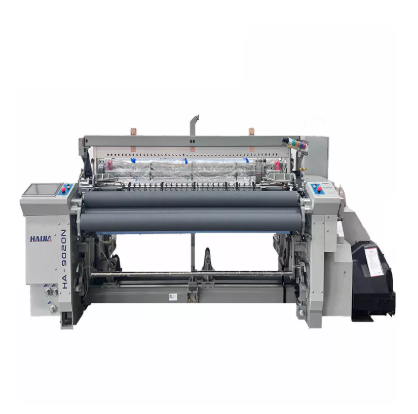
The primary mechanism of an air jet machine revolves around the use of compressed air to propel the weft yarn through the warp threads. A jet of air is directed through the yarns, pushing them across the loom to create fabric. This method drastically reduces the time required to insert each thread, making the process much faster compared to traditional shuttle looms.
The weft yarn is carefully inserted into the shed—the gap between the warp threads—by the force of the air. This allows the machine to operate at much higher speeds, increasing the overall output of the weaving process. The controlled nature of air insertion ensures that the yarns are placed precisely, helping maintain fabric consistency even at high speeds.
Air jet machines are composed of several key components that contribute to their efficiency:
| Component | Description |
|---|---|
| Main Nozzle | The primary part that releases compressed air to propel the weft yarn through the shed. |
| Sub-Nozzle | Works alongside the main nozzle to ensure precise yarn placement during weaving. |
| Reed | Becomes the part that beats the yarn into place, ensuring even tension and a uniform weave. |
| Weft Feeder | Supplies the yarn to the main nozzle consistently, maintaining smooth production. |
These components work together to enable high-speed, precise, and high-quality fabric production. Their integration is key to the success of air jet looms, as it ensures the machine operates with maximum efficiency.
Tip: Regular maintenance and calibration of nozzles and reed can significantly extend the life of your air jet machine and improve fabric quality. Clean nozzles and precise reed adjustments are crucial to maintaining consistent production rates.
In the textile and apparel industry, air jet machines are widely used to produce high-quality fabrics for clothing. They are particularly effective for lightweight fabrics like shirts and dresses, as well as heavier materials for home textiles such as bed linens and curtains. The speed and precision of air jet machines allow manufacturers to meet the growing demand for fast fashion and bulk production, which is increasingly common in today's market.
The versatility of air jet machines also allows for the creation of different types of fabrics in terms of texture, weight, and design. This makes them ideal for both standard and specialized fabrics required by the fashion industry.
Air jet machines are also used in industrial fabric production, where durability and precision are critical. These machines are capable of weaving fabrics for applications such as filtration materials, geotextiles, and conveyor belts. Their ability to work with a variety of yarns makes them versatile enough to handle the requirements of both soft and technical fabrics.
The precision and efficiency offered by air jet machines make them indispensable in industries that require high-strength fabrics that must withstand heavy use and wear. The high-quality production of these fabrics is essential for industries such as automotive, aerospace, and construction.
Air jet machines are capable of creating intricate designs, including jacquard and plaid fabrics. These specialized fabric types require precise control over the yarns, which air jet machines provide. This makes them ideal for creating unique, high-end fabrics that stand out in the market.
Air jet machines allow manufacturers to produce fabrics with complex patterns and textures, giving them an edge in the production of fashion-forward and specialty textiles.
| Fabric Type | Application |
|---|---|
| Apparel Fabrics | Used for producing clothing, such as shirts, trousers, and dresses. |
| Home Textiles | Bed linens, towels, curtains, and other home furnishing fabrics. |
| Industrial Fabrics | Heavy-duty fabrics for applications like filtration, conveyor belts, and geotextiles. |
| Specialized Fabrics | Fabrics with intricate designs like jacquard and plaid. |
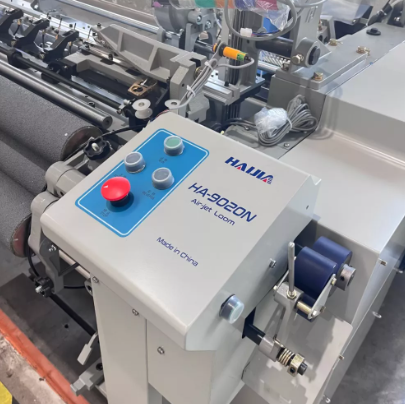
One of the most significant advantages of using an air jet machine is its ability to achieve high-speed weaving. Air jet looms can operate at speeds of up to 2,000 picks per minute, making them ideal for large-scale fabric production. This speed allows manufacturers to meet high demand with shorter lead times, giving them a competitive edge in the market.
Moreover, the increased speed does not come at the cost of quality. The precision in yarn insertion ensures that the fabric produced is uniform and defect-free, even at high speeds. The ability to maintain speed and quality simultaneously is one of the key reasons air jet machines are favored in modern textile manufacturing.
The high precision of air jet machines reduces the chances of yarn breakage and ensures a consistent weave. This results in a smoother and more durable fabric, which is crucial for industries that require high-quality textiles, such as the fashion and automotive sectors. In addition, air jet machines allow for finer control of the weaving process, resulting in fewer defects and higher-quality products.
Air jet machines' ability to produce fabrics without interruption is another reason why they are preferred in high-volume manufacturing. These machines minimize defects and maintain fabric consistency, which helps manufacturers reduce waste and increase efficiency. This reliability makes them a preferred choice for companies that need to produce large quantities of fabric on a tight timeline.
Air jet machines are highly versatile, capable of weaving various types of fabrics, from lightweight textiles like cotton to heavy-duty materials like industrial fabrics. This versatility allows textile manufacturers to adapt their production lines to different market needs, offering flexibility to meet diverse customer demands.
For example, air jet machines can efficiently produce intricate jacquard designs, as well as fabrics for both domestic and industrial use, making them invaluable for businesses that require a range of fabric types. The machines are equipped with electronic dobby shedding systems that enable the weaving of complex patterns, enhancing the appeal of the fabrics produced.
By utilizing air jet machines, textile manufacturers can diversify their product offerings, enabling them to cater to multiple markets without needing different machines for each fabric type. This flexibility increases your competitiveness and customer reach.
Air jet machines are designed to maximize productivity. With automated weft insertion and reduced manual intervention, these machines allow manufacturers to operate more efficiently. The ability to run at high speeds, combined with minimal downtime, means that businesses can produce a higher volume of fabric in less time.
This efficiency translates into increased output, which helps companies meet high demand while maintaining product quality. The reduction in manual labor also helps reduce overhead costs, which can be particularly beneficial for large-scale production environments.
Compared to traditional shuttle looms, air jet machines use compressed air, making them more energy-efficient. Air jet looms require less mechanical power, reducing energy consumption during operation. This energy efficiency not only lowers operational costs but also contributes to a more sustainable manufacturing process.
By switching to air jet machines, manufacturers can cut energy costs while simultaneously reducing their carbon footprint, making them more competitive in an increasingly eco-conscious market. The lower energy consumption also improves the overall cost-effectiveness of the production process, which can be especially important in industries where margins are tight.
Air jet machines are known for their low maintenance requirements. Unlike mechanical looms, which have more moving parts and require frequent maintenance, air jet machines have fewer components that are subject to wear and tear. This reduces downtime and the overall maintenance costs for manufacturers.
Additionally, air jet machines have a longer lifespan due to their efficient design, making them a more cost-effective investment over time. Fewer breakdowns and reduced maintenance efforts help businesses keep operations running smoothly, increasing the overall return on investment.
Air jet machines contribute to reducing waste in the manufacturing process. The precision of the machines ensures that the yarn is inserted with minimal waste, and the consistent fabric quality means fewer defects. By minimizing waste and maximizing efficiency, air jet machines help manufacturers operate in a more environmentally friendly manner.
Moreover, the reduced need for manual intervention also cuts down on human errors, which can lead to wasted materials and time. By adopting air jet machines, manufacturers can not only improve their environmental footprint but also streamline their production processes.
If sustainability is a priority for your business, investing in air jet machines can be a great way to improve both efficiency and environmental responsibility. The combination of reduced waste and energy savings positions air jet machines as a strong option for eco-conscious manufacturers.
While air jet machines are more energy-efficient than traditional looms, they still require substantial amounts of compressed air, especially when used on a large scale. As production volume increases, the cost of generating compressed air can become a significant operational expense. Manufacturers should factor in these costs when evaluating air jet machines for large-scale operations.
However, these machines still consume less energy compared to mechanical looms, and advancements in air compression technologies continue to improve their energy efficiency.
| Feature | Air Jet Machine | Traditional Looms |
|---|---|---|
| Energy Consumption | Uses compressed air, more energy-efficient than mechanical looms. | Relies on mechanical power, higher energy consumption. |
| Speed | Operates at up to 2,000 picks per minute, faster production cycles. | Slower speeds, typically up to 1,200 picks per minute. |
| Maintenance | Requires less maintenance, fewer moving parts. | More maintenance due to mechanical parts and wear. |
| Cost | Higher initial investment but lower operational costs. | Lower initial investment but higher energy and maintenance costs. |
Although air jet machines are versatile, they may not be the best option for every type of fabric. For instance, very delicate or extremely thick yarns may not perform well with air jet machines. It's essential for manufacturers to assess whether the machine is suitable for the specific fabric types they plan to produce.
Some fabrics may require a more delicate handling method, or may not perform optimally with air propulsion systems. In such cases, alternative weaving technologies might be more appropriate.
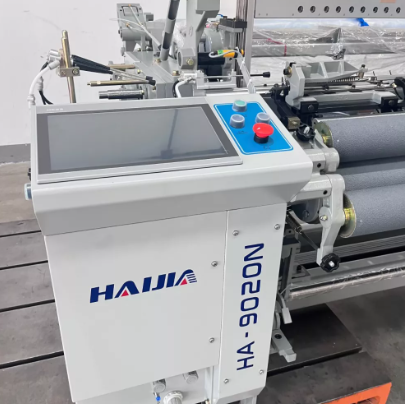
Air jet machines continue to evolve, with improvements in speed, energy efficiency, and fabric versatility. Innovations like automated systems for weft insertion and advancements in nozzle technology are making air jet machines even more efficient. These advancements will allow manufacturers to produce fabric faster and at a lower cost while maintaining high quality.
Furthermore, emerging technologies like artificial intelligence and machine learning could be incorporated to further optimize air jet machines, enabling them to better adapt to various fabric types and production conditions.
As environmental concerns become more pressing, air jet machines are incorporating more sustainable features. For example, some manufacturers are developing air jet machines that use less energy and create less waste, further enhancing their appeal in eco-conscious markets. This shift towards sustainability is crucial in attracting customers and complying with regulatory standards that promote green manufacturing practices.
Air jet machines have transformed the textile industry by enhancing speed, efficiency, and fabric quality. These machines allow manufacturers to produce diverse fabrics at high speeds, meeting growing demand in both textile and industrial sectors. As technology and sustainability continue to advance, air jet machines will remain essential in modern manufacturing. Haijia provides cutting-edge air jet machines that offer exceptional value through improved productivity and reduced operational costs, catering to the evolving needs of the textile industry.
A: An air jet machine is primarily used in textile manufacturing to insert the weft yarn across the warp threads using compressed air. This method speeds up the weaving process and improves fabric quality.
A: The air jet machine uses compressed air to propel the weft yarn through the warp threads. This process ensures high-speed weaving while maintaining fabric consistency and reducing defects.
A: Air jet machines offer several advantages, including increased weaving speed, energy efficiency, reduced maintenance costs, and the ability to produce a wide range of fabrics with high precision.
A: Air jet machines are faster, more energy-efficient, and require less maintenance than traditional looms. They can produce high-quality fabrics at a lower cost, making them a better long-term investment.
A: The cost of an air jet machine varies based on its features and capacity. However, they are generally more expensive initially than traditional looms, but they offer long-term savings through lower operational costs and higher efficiency.