Tel: +86-532-83130887 Email: eiffel@qdhaijia.net

Views: 0 Author: Site Editor Publish Time: 2025-12-09 Origin: Site
The textile industry is changing rapidly, and air jet machines are at the forefront. These machines now deliver faster production cycles, better fabric quality, and greater energy efficiency.
In this article, we will dive into the top air jet machine brands and models of 2025. You’ll learn how these innovations help manufacturers make smarter, more cost-effective decisions.
In 2025, air jet machines have experienced remarkable technological innovations, particularly in automation, energy efficiency, and smart technology integration. These advancements allow manufacturers to increase their productivity while reducing operational costs and environmental impact. The most notable innovation is the integration of predictive maintenance and IoT (Internet of Things) capabilities, which provide real-time monitoring of machine performance. With these systems in place, manufacturers can schedule maintenance proactively, minimizing unexpected downtime and ensuring that machines operate at peak efficiency.
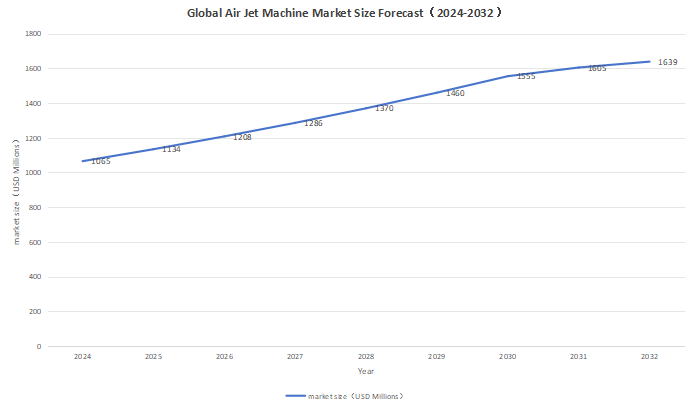
As sustainability becomes an increasingly important concern in global manufacturing, air jet machines are being designed to reduce energy consumption while maintaining high-speed and high-quality production. In response to these demands, many air jet machines in 2025 now feature energy-saving designs that reduce energy consumption by up to 25% compared to earlier models. These improvements help textile manufacturers meet regulatory requirements for environmental sustainability and decrease their overall production costs.
The integration of smart manufacturing systems into air jet machines is a growing trend that aims to enhance production efficiency and reduce waste. Modern air jet machines are now equipped with AI-powered quality control systems and machine vision technology that can detect fabric defects in real-time. This not only ensures high-quality fabric output but also helps minimize material waste. In addition, these systems enable better monitoring of machine performance, allowing manufacturers to make data-driven decisions that optimize their operations.
With predictive maintenance systems, manufacturers can also anticipate potential breakdowns, allowing for quick and efficient repairs that reduce downtime by up to 20%. These smart features help textile manufacturers achieve higher levels of efficiency, leading to significant cost savings and better production outcomes.
| Model | Max Speed (rpm) | Energy Efficiency | Key Features | Ideal For |
|---|---|---|---|---|
| Haijia HA-9020N | 2200 | Very High | High-speed, low vibration, energy-saving, multi-weft yarn support | High-value-added fabrics, diverse textile production |
| Toyota JAT710 | 1100 | High | Adaptive air pressure control, IoT integration, predictive maintenance | High-speed production, technical textiles |
| Zhejiang Rifa RF9200 | 950-1100 | Energy-efficient | Cost-effective, robust features, local infrastructure compatibility | Small to medium enterprises, emerging markets |
| Picanol OptiMax | 1200 | Very High | Precision tension control, sterile weaving environment, modular design | Medical textiles, specialized fabrics |
| Savio Macchine Tessili & Itema R9500EVO | 1200 | High | High-speed performance, energy-efficient, minimal vibration | High-volume production, large fabric manufacturers |
The Haijia HA-9020N is a standout model in the high-speed air jet machine category. Known for its ability to produce high-value-added fabrics, this machine supports the use of multiple weft yarns and delivers exceptional performance with low vibration and high stability. It is designed with energy-saving features that not only reduce power consumption but also enhance overall productivity.
Recognized by the China Textile Industry Federation as a "light of textile" in 2019, the HA-9020N offers an excellent solution for manufacturers looking to produce diverse fabrics at high speeds with reduced environmental impact.
The Toyota JAT710 Series is recognized as one of the leading air jet machines in the industry, setting a new benchmark in terms of efficiency and advanced technology. One of the key highlights of this model is its adaptive air pressure control, which reduces yarn breakage by 22% compared to older models. This results in higher fabric quality and improved overall production output. Additionally, the machine’s IoT integration offers real-time production monitoring and predictive maintenance, helping manufacturers reduce downtime and increase productivity.
This series is a perfect choice for manufacturers looking for high-speed machines that integrate seamlessly with existing systems. Its advanced technology, combined with exceptional performance, makes it a top contender in the air jet machine market for 2025.
The Zhejiang Rifa RF9200 is an affordable and efficient air jet machine that has become a popular option in emerging markets. It features an energy-efficient design, with speeds ranging from 950-1,100 rpm, which makes it ideal for regions with lower electricity costs. Its combination of cost-effectiveness and reliable performance has made it a top choice for small to medium-sized enterprises (SMEs). Additionally, the RF9200’s robust features and compatibility with local power infrastructure further contribute to its growing popularity.
This machine offers excellent value for businesses that need an affordable yet reliable air jet loom. It is particularly suited for companies in emerging markets that require a balance between high performance and low operational costs.
The Picanol OptiMax is a specialized air jet machine designed for the precise production of medical textiles. Known for its precision tension control and sterile weaving environment, this model is ideally suited for manufacturers of surgical fabrics, bandages, and other medical materials. Its modular design allows for quick adjustments between different fabric types, making it an extremely flexible machine that can enhance production efficiency by up to 40%.
For textile manufacturers in the medical sector, the Picanol OptiMax stands out for its exceptional precision and versatility, meeting the stringent quality standards required in the production of medical fabrics.
Both the Savio Macchine Tessili and Itema R9500EVO are leaders in the high-speed air jet machine category. These models are designed to meet the demands of large-volume fabric manufacturers. They offer energy-efficient operation while maintaining high production speeds. The Savio Macchine Tessili model is known for its smooth operation and low vibration, contributing to stable fabric quality and extended machine life. On the other hand, the Itema R9500EVO includes the advanced iSAVER™ system, which reduces weft waste and material costs, offering additional environmental benefits.
These machines are ideal for manufacturers looking for high-speed performance with low waste and high energy efficiency. Their advanced features make them a great option for manufacturers who need rapid production without compromising on quality.
| Consideration | Why It Matters | What to Investigate |
|---|---|---|
| Speed / Production Capacity | Determines fabric output per shift | Max rpm or picks‑per‑minute; weft insertion rate |
| Energy Consumption & Efficiency | Affects long‑term operating cost & sustainability | Air consumption per meter / power use per hour |
| Yarn & Fabric Compatibility | Ensures machine handles chosen yarns/fabrics | Yarn types, fabric weight range, weft variety support |
| Automation & Maintenance Features | Reduces downtime and labor; improves reliability | IoT monitoring, predictive maintenance, ease of control |
| Vendor Support & After‑Sales | Ensures long‑term reliability and parts/access | Spare parts availability, service network, training |
| Initial Investment vs ROI | Balances upfront cost with long-term value | Total cost of ownership, payback period |
When selecting an air jet machine, manufacturers should prioritize models that offer high levels of automation and advanced technological features. Machines equipped with predictive maintenance systems, real-time monitoring, and IoT capabilities can greatly enhance production efficiency and reduce downtime. These systems not only help manufacturers optimize performance but also allow for data-driven decision-making that can lead to improved production outcomes. Haijia’s HA-9020N, for example, offers advanced automation features, ensuring smooth operation and reduced downtime.
The production capacity and speed of an air jet machine are essential factors to consider. High-speed models, such as the Picanol OptiMax and Toyota JAT710, are ideal for manufacturers that need to produce large volumes of fabric in a short amount of time. However, manufacturers with smaller, specialized production runs may benefit from machines like the Zhejiang Rifa RF9200, which balances moderate speed with cost-effectiveness and operational flexibility. Haijia’s HA-9020N offers high-speed performance (up to 2200 rpm), making it ideal for diverse textile production, ensuring both speed and efficiency.
Manufacturers should carefully assess their production requirements to select a machine that meets their capacity and speed needs without overinvesting in unnecessary features.
Evaluating the total cost of ownership is crucial when choosing an air jet machine. This includes not only the initial investment but also ongoing operational costs, such as maintenance, energy consumption, and repair expenses. While high-performance models like the Toyota JAT710 or Picanol OptiMax may have a higher upfront cost, their long-term energy savings, durability, and advanced features can result in a favorable return on investment over time. Haijia’s HA-9020N offers a cost-effective solution with its energy-saving features, ensuring reduced operational costs and an attractive ROI for manufacturers.
The ease of use and maintenance requirements of an air jet machine can have a significant impact on overall production efficiency. Machines with intuitive user interfaces and low maintenance needs are easier to operate, reducing the need for extensive training and minimizing the chances of operational disruptions. In addition, selecting a machine that offers readily available parts and support services ensures that maintenance can be performed quickly and efficiently, keeping production running smoothly.
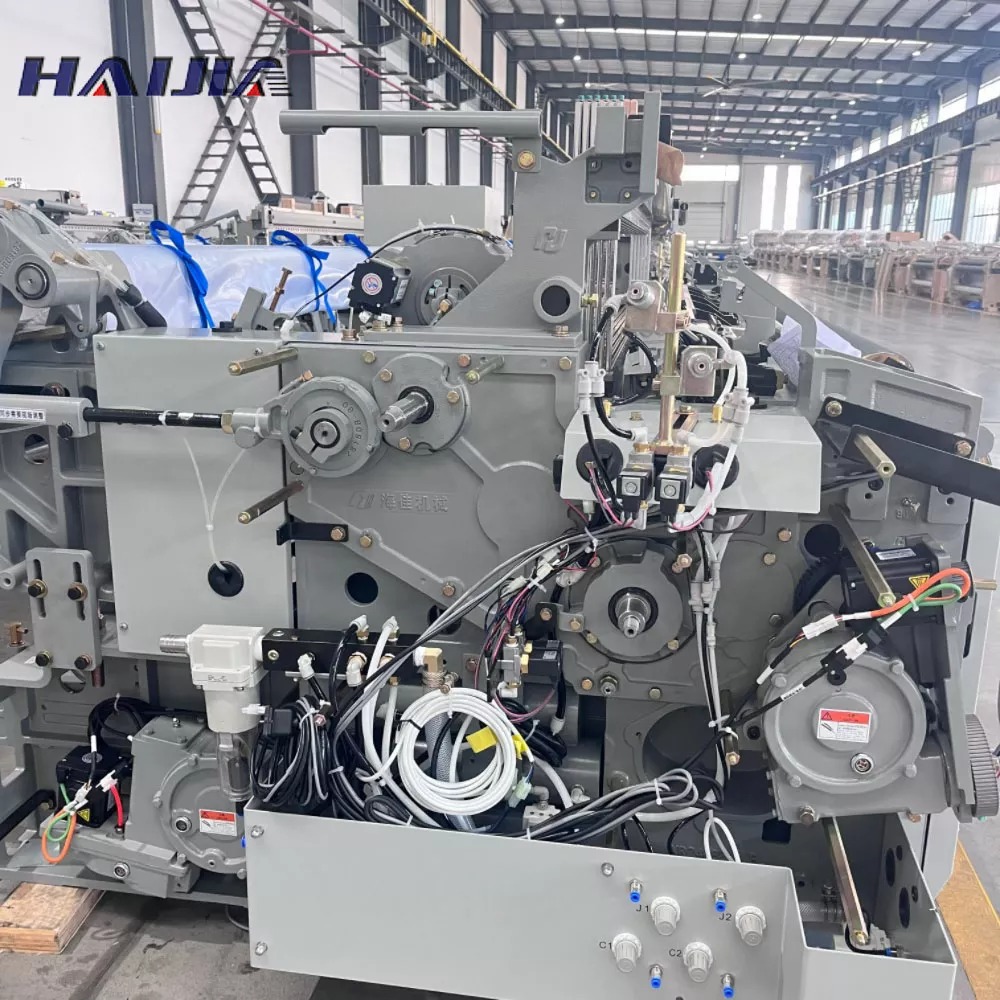
Different air jet machines are designed to handle specific fabric types and production processes. Manufacturers must carefully assess their production needs, considering factors such as yarn flexibility, fabric weight, and the need for specialized production (e.g., medical textiles). For example, the Picanol OptiMax is ideal for producing medical textiles, while the Zhejiang Rifa RF9200 offers a versatile solution for a range of standard fabric types.
Choosing the right machine for your specific fabric and production needs is essential to achieving optimal production results and reducing operational costs.
When purchasing an air jet machine, manufacturers should consider long-term value and future scalability. Machines with modular designs and the ability to be upgraded as new technologies emerge offer greater long-term benefits. Manufacturers should look for machines that can evolve alongside changing production needs and technological advancements, ensuring their investment remains valuable for years to come.
Reliable vendor support is critical to maintaining the performance and longevity of air jet machines. Manufacturers should ensure that the machine supplier offers strong after-sales support, including maintenance services, training, and access to spare parts. Companies like Toyota and Picanol provide extensive support networks, which ensure that customers can quickly resolve any issues and keep their operations running smoothly.
In 2025, selecting the right air jet machine is crucial for manufacturers. It impacts productivity, cost-efficiency, and competitiveness in the textile industry. Key factors such as technological features, production capacity, and vendor support are essential when making the right decision. Haijia offers high-quality, energy-efficient solutions that deliver excellent value for your business needs.
A: An air jet machine is a shuttle-less weaving machine that uses compressed air to insert the weft yarn through the warp shed, allowing for high-speed production and energy-efficient operation.
A: An air jet machine uses jet streams of compressed air to propel the weft yarn across the loom, providing faster and more efficient fabric production compared to traditional shuttle looms.
A: Air jet machines offer high-speed production, energy savings, lower vibration, and are suitable for a variety of yarn types, making them ideal for diverse textile production.
A: When choosing an air jet machine, consider factors like production speed, energy efficiency, yarn compatibility, and the machine's automation features to ensure it meets your production requirements.
A: The cost of an air jet machine varies based on features, speed, and energy efficiency. Prices can range from affordable models for smaller businesses to high-end machines for large-scale production.