Tel: +86-532-83130887 Email: eiffel@qdhaijia.net

Views: 0 Author: Site Editor Publish Time: 2025-12-09 Origin: Site
Are you looking to increase your textile business’s efficiency and production quality? The right equipment can make all the difference, and the air jet machine is one of the most crucial tools in modern textile manufacturing.
In this article, we will discuss the key features of air jet machines and how they can help your business achieve high-speed production without compromising quality. You’ll also learn how to select the right machine and ensure it supports your long-term growth.
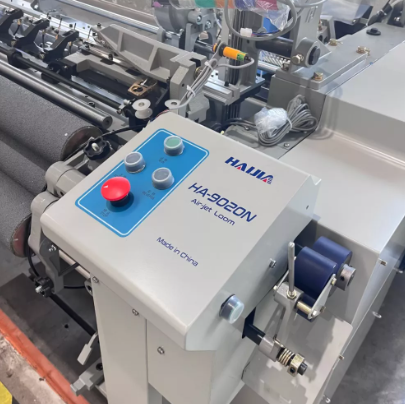
Air jet machines are known for their ability to operate at extraordinary speeds, thanks to the use of compressed air to propel the weft yarns across the warp threads. This high-speed capability makes them particularly well-suited for mass production. Air jet machines can achieve speeds of up to 2,000 picks per minute (PPM), which significantly outpaces traditional shuttle looms and other weaving technologies. This allows textile manufacturers to meet high production quotas and respond quickly to market demand.
The high speed of these machines is not just about output; it also results in more consistent production quality. Because air jet machines maintain stable, high-speed operations, they produce fewer defects and offer greater consistency in the finished product. The efficiency of air jet machines leads to reduced labor costs, faster turnaround times, and increased profitability for manufacturers.
| Feature | Air Jet Machine | Traditional Loom |
|---|---|---|
| Speed | Up to 2,000 PPM (picks per minute) | Typically under 1,000 PPM |
| Efficiency | High, with reduced waste and defects | Lower, higher chance of defects and inconsistencies |
| Energy Consumption | Energy-efficient design | Generally higher due to mechanical complexity |
| Labor Cost | Low, due to automation | High, requires more manual intervention |
| Fabric Variety | Can handle a wide range of fibers | Limited to specific types of fibers |
Modern air jet machines are designed with energy efficiency at the forefront. Unlike older models that consumed large amounts of power, newer air jet machines have incorporated technologies that optimize energy usage. Many models now feature high-efficiency motors, advanced air consumption systems, and improved overall design to ensure that energy usage is minimized while maintaining peak performance.
The energy-saving design of air jet machines not only helps reduce operational costs but also aligns with the growing demand for environmentally sustainable manufacturing processes. As businesses worldwide strive to lower their carbon footprint and adhere to green standards, adopting energy-efficient machinery like air jet looms can improve a company’s environmental impact and enhance its reputation in the industry.
One of the standout features of air jet machines is their versatility. These machines are capable of weaving a wide range of fabrics, from lightweight apparel fabrics to heavy-duty industrial textiles. Air jet machines can handle a variety of fiber types, including cotton, polyester, silk, and blended materials. This flexibility makes them an attractive option for businesses that need to produce a diverse array of products without the need for specialized equipment.
Moreover, air jet machines can adapt to different types of yarns, including delicate and fine fibers, ensuring that they can cater to various textile markets. This versatility not only supports a business’s ability to offer diverse products but also helps reduce the need for investing in multiple machines, thus lowering overall operational costs.
Automation is a key benefit of modern air jet machines. These machines come equipped with advanced electronic dobby systems, programmable logic controllers (PLCs), and automated tension adjustment mechanisms. These systems allow the machines to produce intricate patterns and complex designs with minimal human intervention, ensuring consistent, high-quality output.
By automating key functions such as yarn tension, pattern creation, and defect detection, air jet machines significantly reduce the likelihood of human error. This automation helps businesses achieve higher precision in their products and increases the overall efficiency of the weaving process. Automated systems also make it easier to switch between different designs or fabric types, ensuring greater flexibility and speed during production.
The type of fabric being produced plays a significant role in determining which air jet machine will be the best fit. Different fabrics require different handling characteristics, and air jet machines can be optimized for specific types of materials. For example, lightweight fabrics like silk and polyester require machines that can handle delicate yarns without damaging the fibers. On the other hand, heavier fabrics like canvas or denim require machines that can handle thicker, more robust yarns and higher tension settings.
By selecting a machine that is suited for the specific fabric types you produce, you can ensure optimal performance and product quality. Some air jet machines are designed with adjustable settings that allow for easy switching between fabric types, offering greater flexibility in production.
| Fabric Type | Recommended Air Jet Machine Features |
|---|---|
| Lightweight Fabrics | Machines with delicate yarn handling, adjustable tension settings |
| Medium-Weight Fabrics | Versatile machines with moderate speed and stability |
| Heavy-Duty Fabrics | Machines with high power and robust construction for thicker yarns |
Production capacity is one of the most important factors when choosing an air jet machine. It’s essential to evaluate both your current production needs and future growth expectations. High-volume businesses will benefit from machines that offer greater speed and durability, allowing them to meet large production demands without compromising on quality.
It’s also important to consider scalability. As your business grows, you may need machines that can handle increased output or adapt to new product lines. Choosing a machine with a higher production capacity ensures that your business will have the flexibility to scale as demand grows.
Energy efficiency should be one of the top considerations when selecting an air jet machine. As energy costs continue to rise, selecting a machine that is designed to use less power without sacrificing performance can result in significant long-term savings. Energy-efficient machines also help meet the growing consumer and regulatory demand for more sustainable manufacturing practices.
Look for models that come with features like optimized air usage systems, high-efficiency motors, and energy-saving technologies. These features not only reduce energy consumption but also lower operational costs over the machine’s lifespan.
When investing in an air jet machine, it’s essential to consider the level of after-sales support provided by the supplier. A machine is only as good as the support that comes with it. Reliable after-sales service ensures that any issues with the machine can be addressed quickly, reducing downtime and improving overall efficiency.
Check whether the manufacturer offers support services such as spare parts availability, technical assistance, and operator training. Strong after-sales support can significantly extend the lifespan of your machine and ensure that it continues to perform optimally over time.
When selecting an air jet machine, it’s important to look at more than just the machine’s maximum speed (RPM). While high speeds are essential for large-scale production, it’s equally important to assess how the machine performs under real-world conditions. The actual efficiency of the machine in producing different types of fabrics, its consistency in delivering high-quality products, and the ability to maintain optimal performance across different production runs are crucial factors.
For example, a machine may advertise a high maximum RPM, but it’s essential to assess whether it can maintain that speed while producing the desired fabric quality consistently. Always request data on the machine’s performance with fabrics similar to those you plan to produce.
The integration of automation features in air jet machines can greatly enhance operational efficiency. Features such as automatic yarn tension adjustments, error detection systems, and self-diagnostics reduce the need for manual intervention and improve the machine's ability to perform complex tasks.
These automation features not only boost production efficiency but also ensure greater consistency and fewer defects in the final product. Machines with advanced automation systems allow for quick adjustments between fabric types, reducing the time spent setting up the machine for different production runs.
Many modern air jet machines come equipped with IoT (Internet of Things) capabilities, enabling real-time monitoring and predictive maintenance. IoT-enabled machines can communicate with factory management systems, providing data on machine performance, production metrics, and potential issues before they result in machine downtime.
By incorporating IoT technology, air jet machines enable businesses to monitor operations remotely, optimize production schedules, and reduce the likelihood of unexpected breakdowns. Predictive maintenance features alert operators when maintenance is required, allowing businesses to address potential issues proactively and avoid costly repairs.
To ensure that your air jet machine continues to perform at its best, regular cleaning and lubrication are essential. Dust, dirt, and fiber debris can accumulate in the machine’s components, causing blockages and affecting its performance. Cleaning the air nozzles and other parts regularly will help prevent these issues and ensure smooth operation.
Lubricating moving parts as per the manufacturer’s recommendations also helps reduce friction, wear, and tear, extending the machine’s lifespan and improving its efficiency.
Routine inspections and calibration are essential to maintaining the machine’s accuracy and reliability. Regularly check the air pressure settings, sensors, and electronic components to ensure they are functioning correctly. Calibration ensures that the machine operates at peak performance, providing consistent fabric quality.
Implementing a routine maintenance schedule helps identify potential issues before they lead to costly repairs or downtime, ensuring that the machine continues to operate smoothly.
Proper operator training is crucial to ensuring that the air jet machine is used correctly and efficiently. Operators should be trained to understand the machine’s settings, features, and safety protocols. By familiarizing operators with the machine’s capabilities, they can avoid common mistakes and operate the machine at optimal efficiency.
Investing in operator training reduces the likelihood of errors, minimizes the chance of machine damage, and ensures that the machine performs consistently.
| Maintenance Task | Frequency | Description |
|---|---|---|
| Cleaning Nozzles & Parts | Daily/Weekly | Remove dust, debris, and fiber build-up |
| Lubricating Moving Parts | Monthly | Apply lubricant as per manufacturer’s guidelines |
| Inspection of Sensors | Monthly/Quarterly | Check sensors, air pressure settings, and components |
| Calibration | Quarterly/Annually | Ensure the machine is calibrated for optimal performance |
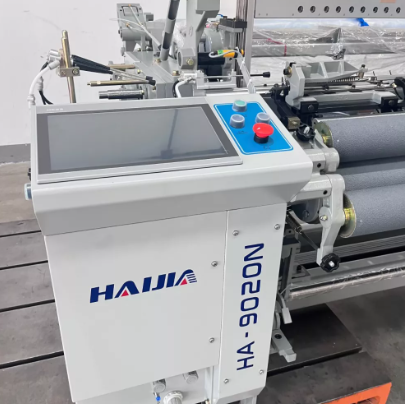
Selecting a reliable supplier is just as important as choosing the right machine. A reputable supplier should have a proven track record of delivering high-quality air jet machines and offering reliable customer service. Research the supplier’s history and ask for references to gauge their reputation in the industry.
Choosing a trusted supplier ensures that you receive a quality machine and excellent support throughout the life of the equipment.
After-sales service is a critical factor when purchasing an air jet machine. A supplier should offer comprehensive support services, including training, maintenance, and access to spare parts. Having reliable technical support helps address any issues quickly, reducing downtime and ensuring that your production process remains efficient.
Choose a supplier that offers solid warranties, quick response times, and expert technical assistance to ensure a smooth and hassle-free experience.
Choosing the right air jet machine for your textile business can greatly improve production efficiency, fabric quality, and profitability. By understanding the machine's features, advantages, and key considerations, businesses can select a model that aligns with both their current and future needs.
An air jet machine boosts operational performance, reduces costs, and ensures consistent product quality. By doing thorough research and selecting a reliable supplier, businesses can make an investment that provides long-term value.
Haijia offers high-quality air jet machines designed to meet diverse production needs, providing businesses with energy-efficient solutions and advanced automation features to maximize productivity and reduce operational costs.
A: An air jet machine is a weaving device that uses compressed air to propel the weft yarn across the warp threads, allowing for high-speed and efficient fabric production.
A: Air jet machines increase production speed, reduce labor costs, and provide consistent fabric quality, making them ideal for businesses looking to improve efficiency.
A: Choose an air jet machine based on fabric type, such as delicate yarns for lightweight fabrics or high tension for heavy-duty materials, ensuring optimal performance.
A: Yes, modern air jet machines are designed to be energy-efficient, helping businesses reduce operational costs and align with sustainability goals.
A: Automated control systems in air jet machines reduce human error, improve fabric precision, and enhance production efficiency by managing key functions automatically.