Tel: +86-532-83130887 Email: eiffel@qdhaijia.net

Views: 0 Author: Site Editor Publish Time: 2026-05-14 Origin: Site
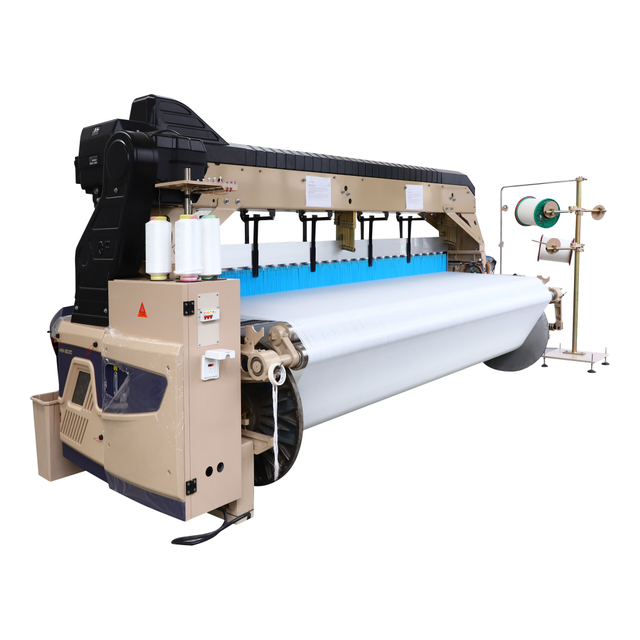
Weaving industrial screen and filter fabrics demands extreme precision and structural durability. High-density polyester and nylon monofilament mesh are unforgiving materials. Inconsistent mesh sizes or structural fatigue quickly lead to massive waste. You end up producing compromised end-products. Standard weaving machinery is built for lightweight apparel fabrics. Applying these standard machines to heavy-duty industrial weaving is a costly mistake. It results in rapid mechanical wear, high defect rates, and poor return on investment. The extreme warp tension simply overwhelms lightweight frames. We provide technical buyers, factory managers, and procurement engineers an evidence-based evaluation framework. You will discover exactly what separates standard machinery from a heavy-duty Water Jet Loom engineered specifically for industrial applications. Our guide will help you confidently shortlist equipment tailored for heavy-tension weaving.
Frame rigidity and beat-up mechanisms (like U-shaped shafts) are the primary differentiators between standard and heavy-duty water jet looms.
Energy and fluid dynamics optimization (VFDs, direct-drive motors, and CFD-designed nozzles) are critical for managing the OpEx of high-tension weaving.
Facility compatibility matters; high-speed industrial weaving requires robust vibration damping and integrated water recovery systems.
Yarn compatibility is strict; water jet technology is highly efficient but restricted to hydrophobic synthetic fibers (Polyester, Nylon, Acrylic precursors).
Industrial filter fabrics serve critical roles in chemical processing and water filtration. These applications tolerate zero deviations in mesh aperture size. Monofilament yarns form the backbone of these technical textiles. They act like rigid plastic wires during the weaving process. They require significantly higher warp tension compared to standard multifilament apparel yarns. You must apply intense beat-up force to lock each weft yarn into an ultra-dense grid. Standard machinery lacks the metallurgical strength to sustain this continuous pressure.
Standard lightweight frames suffer severely under these extreme conditions. They experience dangerous micro-vibrations when operating at high industrial speeds. These speeds sometimes reach up to 1200 RPM. These vibrations are disastrous for precision industrial mesh. They cause uneven weft insertion and inconsistent fabric density. You will quickly notice premature machine failure. Structural fatigue degrades core components. This degradation ruins your operational efficiency and inflates your maintenance budget.
Buyers often evaluate alternative weaving technologies before making a purchase. Rapier weaving machines handle heavy fabrics very well. They pull thick yarns easily. However, they lack the high-speed production capability you need for commercial scale. Air-jet weaving offers impressive speed metrics. Yet, it requires massive compressor energy to propel heavy monofilament yarns across the shed. The resulting power costs often erode your profit margins. A properly configured heavy-duty Water Jet Loom hits the perfect sweet spot. It delivers high speed and manageable power consumption. It remains the ideal choice for hydrophobic synthetics.
Loom Technology | Speed & Output | Energy Efficiency | Ideal Fabric Application |
|---|---|---|---|
Rapier Weaving | Low to Medium | Moderate | Complex, heavy, multi-color textiles |
Air-Jet Weaving | Very High | Low (High air compressor load) | Spun yarns, high-density cottons |
Heavy-Duty Water Jet | High (Up to 1200 RPM) | High (Efficient water pump mechanics) | Hydrophobic synthetics (Polyester, Nylon) |
Evaluating industrial weaving equipment requires a strict focus on primary mechanical motions. You cannot rely on baseline specifications meant for garment production. Every subsystem must handle extreme physical stress.
Industrial screen fabrics demand immense physical force during the beat-up phase. You should look for machines featuring reinforced "U"-shaped beat-up shafts. A standard straight tubular shaft will flex under extreme tension. This minute deflection causes inconsistent mesh apertures across the fabric width. The U-shaped design effectively distributes mechanical stress across a wider structural base. It prevents shaft deflection entirely. You gain perfectly uniform mesh squares. This precision reduces costly material rejection rates from strict industrial clients.
The shedding system dictates your weaving complexity and overall machine stability. You must carefully evaluate your shedding options based on your product portfolio.
Cam Shedding: This mechanism offers exceptional high-speed stability. It relies on robust mechanical cams. It is perfect for producing simple, high-volume industrial weaves like basic square mesh. It requires very little maintenance over its lifespan.
Electronic Dobby Shedding: Industrial filters often feature complex, multi-layered constructions. Dobby shedding provides the electronic flexibility needed to program these intricate patterns. It minimizes excessive mechanical wear during complicated shedding cycles. You can switch patterns quickly without heavy mechanical adjustments.
Heavy monofilament yarns behave very differently from soft apparel yarns. You must ensure the machinery utilizes advanced fluid dynamics. Look for nozzles optimized via Computational Fluid Dynamics (CFD). Heavy synthetic yarns demand highly precise water-pressure calibration. The water column must maintain absolute yarn straightness during high-speed weft insertion. If the pressure is too aggressive, it causes microscopic yarn surface damage. If the pressure is too weak, the heavy yarn trails and loops in the shed. CFD-designed nozzles guarantee optimal water coherence. They deliver exact pressure without fraying the synthetic fibers.
Procurement teams often fixate on the initial purchase price. However, weaving industrial synthetics is an energy-intensive daily process. You must balance the initial capital outlay against long-term operational expenditures.
High-tension weaving generates massive torque requirements upon startup and beat-up. You should assess the integration of Direct Drive motors inside the machine architecture. Traditional belt-driven motors lose a significant percentage of power through mechanical friction. Belts also stretch under heavy industrial loads. Direct Drive systems transfer power instantly and efficiently to the main shaft.
Additionally, look for Variable Frequency Drives (VFDs) controlling the high-pressure water pumps. Heavy fabrics do not always require maximum pump output continuously. VFDs adjust power draw dynamically based on real-time operational needs. This specific setup significantly reduces your overall power consumption during long production runs.
You must look far beyond initial Capital Expenditure (CapEx). High Operational Expenditure (OpEx) stems from energy spikes and water waste. This unseen cost will rapidly ruin your return on investment. Modern industrial management requires continuous data transparency across the facility.
Evaluate machines featuring built-in digital monitoring systems. Modern IoT sensors now track warp and weft stops in real time. They automatically adjust and maintain optimum machine speed. By minimizing micro-stoppages and optimizing energy flow, these smart systems maximize your Overall Equipment Effectiveness (OEE). This ensures your production runs remain highly profitable over many years of continuous operation.
Buying a heavy-duty machine is only half the battle. Your facility must be perfectly prepared to support high-impact industrial weaving. Ignoring facility readiness leads to disastrous installation delays and chronic production issues.
Heavy-duty machines generate immense dynamic loads during the beat-up cycle. They require specially reinforced concrete foundations. Standard textile mill flooring will not survive the continuous mechanical impact. Underestimating this foundation requirement leads to gradual machine misalignment over time. Misaligned frames create uneven warp tension. This uneven tension ultimately results in poor fabric quality. You must consult structural engineers to pour vibration-damping foundations prior to installation.
Water jet technology naturally consumes substantial volumes of fresh water. Industrial setups must include sophisticated closed-loop water filtration and recycling systems. Modern environmental regulations strictly monitor industrial wastewater discharge. The Water Jet Loom you choose must integrate seamlessly with your facility's water recovery infrastructure. Effective water recycling dramatically lowers your daily utility costs. It also ensures strict regulatory compliance in environmentally sensitive regions.
Transitioning to modern, digitally-controlled heavy machinery represents a major cultural shift. Operators can no longer rely on intuitive mechanical tweaks and guesswork. Operating modern heavy-duty equipment requires distinct technical skills. Your workforce must adapt to digital tension control interfaces. They must understand precise nozzle calibration via digital touchscreens. Factory managers should mandate comprehensive vendor training. This training bridges the specific skills gap between traditional and modern industrial weaving.
The market is flooded with vendors claiming heavy-duty weaving capabilities. You need a systematic approach to separate genuine engineering from marketing fluff. Use these three verifiable criteria to build your final procurement shortlist.
Verify the Iron: Never accept vague durability claims from sales brochures. Demand actual machine weight specifications. A true heavy-duty frame weighs significantly more than a standard apparel model. You must also inspect the metallurgical quality of primary motion components. Focus closely on the shedding, picking, and beat-up mechanisms. Look for high-grade steel alloys rather than basic cast iron.
Proof of Concept: Do not buy heavy machinery based on promotional videos alone. Require the vendor to run digital twin simulations. If possible, demand actual sample production runs in their testing facility. Provide them with your exact monofilament yarn specifications and target mesh density. Verify the output quality yourself under a microscope.
Service Level Agreements (SLAs): Industrial weaving halts are incredibly expensive. Ensure your contractual terms cover proactive predictive maintenance support. Verify the rapid availability of critical high-wear parts. You will regularly need replacement nozzles, pump seals, and beat-up components. Secure guaranteed delivery timelines for these specific items directly in your contract.
Investing in heavy-duty machinery for filter and screen fabrics is a major strategic decision. It is never about finding the lowest upfront price. It is fundamentally about securing structural rigidity, precise fluid dynamics, and long-term energy efficiency. Standard machinery simply cannot survive the brutal physics of dense monofilament weaving. By focusing on specialized beat-up mechanisms and VFD integrations, you protect your operational margins.
As a next step, we strongly recommend auditing your current production bottlenecks. Identify whether speed limitations or defect rates are hurting your profitability most. Then, request highly specific technical specification sheets from your shortlisted manufacturers. Focus your vendor conversations purely on sustained beat-up force, energy metrics, and IoT monitoring capabilities.
A: No. They are highly effective for hydrophobic synthetic fibers like Polyester, Nylon, and Acrylic. These materials repel water, allowing for fast drying and high structural integrity. They cannot be used for hydrophilic materials like cotton or certain aramid blends, which absorb water and distort during the wet weaving process.
A: Water jet looms generally consume much less energy per meter of fabric. High-pressure water pumps require significantly less power than the massive centralized air compressors needed for air-jet looms. This energy gap becomes especially obvious when weaving heavy synthetic monofilaments, making water jet technology far more cost-effective.
A: While initial CapEx is higher than standard models, the ROI is typically realized faster. Buyers usually see a 20-30% increase in continuous production speed. You also benefit from lower defect rates in strict-tolerance filter fabrics and significantly reduced maintenance downtime. Most industrial facilities achieve full ROI within 18 to 24 months.