Tel: +86-532-83130887 Email: eiffel@qdhaijia.net

Views: 0 Author: Site Editor Publish Time: 2026-05-14 Origin: Site
Upgrading weaving machinery represents a significant capital expenditure for any textile mill. You face immense pressure to meet high output demands every quarter. Retail markets expect vast quantities of bed linens, curtains, and luxury upholstery. You must achieve these production targets without compromising fabric integrity or weave quality. Traditional shuttle systems simply cannot keep pace.
Moving to an advanced pneumatic weaving infrastructure solves this critical bottleneck. These machines offer unmatched speed and superior fabric uniformity. However, making the right equipment choice requires careful technical evaluation. This guide serves as a pragmatic, decision-stage roadmap for your procurement team.
You will learn how to evaluate complex machine configurations. We help you assess energy economics and confirm facility readiness. You should complete these vital steps before issuing a purchase order. We explore the specific requirements for handling delicate natural fibers. We also break down market pricing tiers to help you formulate a profitable long-term investment strategy.
Optimal Fit: Air jet weaving is the superior choice for natural fibers (like cotton bedsheets) where water jet looms fail due to moisture damage, reaching speeds up to 2,000 picks per minute.
Budgeting Reality: Initial hardware costs range from $15,000 to $90,000+, but compressed air infrastructure and VFD (Variable Frequency Drive) compressors dictate long-term profitability.
Fabric Quality: Aerodynamic weft insertion minimizes mechanical yarn stress, producing the uniform tension required for high-end hospitality and home textiles.
Infrastructure Demands: High noise levels (>90 dB) and strict air quality requirements (0.4 - 0.8 m³/min at 6-7 bar) require facility upgrades alongside machine procurement.
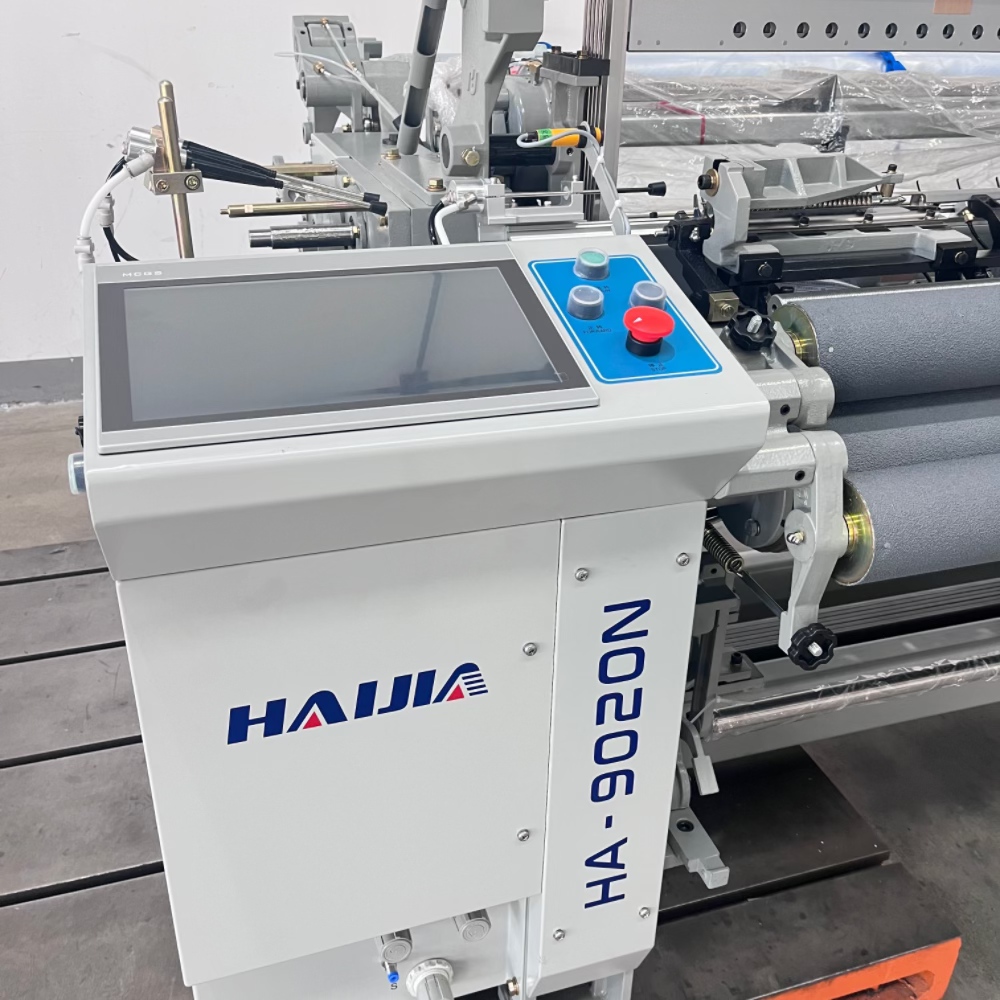
Choosing the right weaving technology dictates your production ceiling. You must match the machine's capabilities to your target fabric. A Air Jet Loom excels in the home textile sector for several specific reasons. We must first compare it against its closest alternatives.
Water jet machines push weft yarns across the shed using a high-pressure stream of water. This method works exceptionally well for synthetic fibers like polyester or nylon. However, water jets ruin natural fibers. Cotton absorbs the moisture instantly. This absorption causes severe water stains, shrinkage, and structural fiber damage. You cannot weave luxury cotton bed linens on a water jet machine. Air weaving completely removes moisture from the insertion process. You can process 100% cotton and delicate natural blends perfectly. The fabric remains dry, clean, and structurally intact.
You must understand the capability boundary between air and rapier technologies. Rapier looms use mechanical grips to pull the yarn. They excel at producing highly complex, multi-color jacquard patterns. However, their mechanical nature severely limits their speed. Air weaving relies on fluid dynamics. Air provides vastly superior production cycles. It dominates the market for light-to-medium weight home textiles. If your mill produces standardized patterns like solid bedsheets or striped curtains, air weaving will outpace rapier production by significant margins.
Fluid dynamic weft insertion offers a massive quality advantage. Compressed air propels the yarn instead of a mechanical grip. This aerodynamic approach dramatically reduces mechanical yarn stress during insertion. Fabric tension remains highly uniform across the entire roll. Uniform tension produces exceptionally flat, durable fabrics. These textiles easily withstand harsh industrial laundering. Hospitality buyers demand this level of durability for hotel bed linens and towels.
Loom Technology | Primary Weft Insertion Method | Best Fiber Match | Home Textile Limitations |
|---|---|---|---|
Water Jet | High-pressure water stream | Synthetic fibers (Polyester, Nylon) | Causes severe moisture damage and stains on natural cotton fibers. |
Rapier | Mechanical rigid/flexible grips | Complex, multi-color patterns | Slower production cycles; higher mechanical wear and tear. |
Air Jet | Compressed aerodynamic airflow | 100% cotton, delicate blends | Requires robust facility upgrades for high-pressure air compressors. |
You cannot purchase weaving equipment off the shelf. You must configure the machine to match your specific product lines. The home textile market requires wide fabrics and precise yarn handling. Understanding these configuration choices prevents costly production bottlenecks later.
The nozzle configuration determines how wide you can weave. Single-nozzle systems are highly cost-effective. However, they only support basic, narrow-width weaving operations. You cannot use them for large home textiles. Multi-nozzle systems are absolutely mandatory for the home textile sector. They use a primary nozzle followed by relay nozzles spaced across the reed. This setup maintains the air pressure over long distances. Multi-nozzle configurations allow you to weave widths up to 360cm. You need this width to produce seamless king-size bedsheets and wide luxury drapes.
Best Practice: Always specify multi-nozzle configurations if you plan to enter the hospitality bedding market. Seams in large bedsheets are unacceptable to premium buyers.
Weft supply mechanisms control how yarn feeds into the primary nozzle. Negative weft supply relies on the air jet pulling the yarn freely. This works for simple, strong yarns. We strongly recommend positive weft supply for premium home textiles. Positive supply systems use servo-motor controls. They actively meter and feed the exact length of yarn needed for each pick. This precise control handles diverse yarn counts beautifully. It drastically reduces yarn breakage when operating at maximum speeds.
Modern home textiles require frequent design changes. Your machine must integrate seamlessly with digital shedding systems. Electronic dobby integration allows you to weave complex curtain textures. It supports intricate upholstery weaves. Furthermore, ensure the machine's control panel supports full ERP (Enterprise Resource Planning) integration. You can download new weave patterns directly from your design department to the floor. This digital pipeline ensures ultra-fast design changeovers, minimizing costly machine downtime.
Upfront equipment pricing is only a fraction of the financial equation. You must balance initial capital expenditure against lifetime operating costs. Cheap hardware often results in crippling utility bills. Let us break down the hardware brackets and the hidden operational expenses.
Equipment costs vary widely based on origin, engineering tolerances, and material quality. You should align your budget with your expected production demands.
Entry-Level ($15,000 – $25,000): These machines provide functional basics. They use standard commercial parts. You will experience faster wear-and-tear on moving components like valves and reed dents. They suit localized operations with lower capital reserves and lower output demands.
Mid-Tier ($28,000 – $45,000): This bracket offers the best balanced price-to-performance ratio. You gain upgraded nozzle durability. The pneumatic systems feature better engineering, resulting in much better energy efficiency. Mid-tier machines handle standard mill operations reliably.
Premium / Tier-1 ($50,000 – $90,000+): Premium machines deliver the highest reliability. They utilize CFD-optimized (Computational Fluid Dynamics) airflow channels. These models offer the lowest lifecycle operating expenses. They are ideal for 24/7 uninterrupted high-volume mills running premium fabrics.
You must address the primary financial drawback of air weaving. Producing compressed air is incredibly expensive. We can understand this by looking at the kinetic energy of airflow. You must compress ambient air, dry it, and push it at high velocity. This massive energy requirement translates directly into heavy electricity bills. A poorly engineered machine will erase your profit margins through sheer energy waste.
Common Mistake: Buying an entry-level machine and ignoring its air consumption rate. The cheap machine will often double your monthly utility bill.
You should advise buyers to prioritize looms equipped with Variable Pressure Nozzles. These nozzles dynamically adjust air pressure based on the specific yarn weight, preventing wasted air. Additionally, look for machines featuring regenerative braking systems. These systems capture mechanical energy during the loom's rapid deceleration cycles. They feed this energy back into the internal grid to offset electricity costs.
A high-speed weaving machine requires a highly controlled physical environment. You cannot drop these machines onto a standard warehouse floor and expect perfect results. You must upgrade your facility infrastructure alongside your machine procurement. Failure to prepare your facility will result in constant machine stoppages and ruined fabric.
We consistently warn buyers against under-sizing their central air compressors. Mainstream pneumatic weaving equipment requires absolute consistency. A standard machine requires air volumes between 0.4 and 0.8 m³/min. You must deliver this air at a constant pressure of 6-7 bar. Furthermore, the air quality must be pristine. You need industrial dryers and micro-filters to ensure the air is entirely dust-free and oil-free. Even microscopic oil droplets in the air line will clog relay nozzles and leave permanent dark stains on white cotton bedsheets.
Industrial compressed air systems are incredibly loud. These high-speed looms routinely generate noise levels exceeding 90 dB(A). Operating a full floor of these machines without acoustic planning creates a hazardous work environment. You must outline the necessity of acoustic enclosures for your compressor rooms. You also need strategic facility layout planning on the weaving floor. Installing sound-absorbing ceiling baffles and providing high-grade hearing protection helps you comply with strict occupational safety standards.
High-speed airflow is a powerful tool, but it carries inherent risks. High-velocity air can literally blow fragile natural fibers apart if misconfigured. You must standardize your operator training programs immediately. Operators must learn how to make minute air pressure micro-adjustments based on yarn density. Additionally, cotton weaving produces massive amounts of lint. We recommend ensuring your overhead dust-extraction systems are exceptionally robust. Lint accumulation will clog the nozzles, drop the air pressure, and cause severe fabric defects.
Selecting the right equipment vendor is just as critical as selecting the right machine configuration. You are entering a long-term partnership. A poor vendor will leave you stranded when proprietary parts break. You must evaluate potential partners rigorously before transferring funds.
You face a choice between buying direct from equipment manufacturers or using third-party trading companies. We strongly advise working directly with manufacturers for this level of capital equipment. Buying direct provides a massive return on investment advantage. You receive a factory-direct warranty. The manufacturer provides direct software updates for the machine's operating system. Most importantly, you gain access to direct engineering support when complex pneumatic issues arise. Trading companies simply cannot provide this level of technical troubleshooting.
Never sign a purchase order without a strict Service Level Agreement (SLA). You must demand written guarantees regarding spare part availability and shipping times. A $50,000 weaving asset becomes a massive financial liability if it sits idle. If a clogged primary nozzle or a burnt servo motor takes three weeks to replace, you lose thousands of dollars in unfilled production orders. Require vendors to maintain local spare parts hubs.
Modern manufacturing relies on data. You should evaluate whether the vendor's proprietary software includes advanced predictive maintenance modules. The best vendors incorporate IoT-based (Internet of Things) sensors throughout the pneumatic lines. These sensors monitor the system for microscopic air leaks. They detect sudden pneumatic pressure drops before the operator notices them. By catching these drops early, the machine stops automatically before it weaves an entire roll of defective, low-tension fabric.
Verify the vendor's direct manufacturing credentials and engineering support capabilities.
Demand an SLA guaranteeing rapid replacement times for proprietary nozzles and valves.
Ensure the software suite includes real-time IoT monitoring for air pressure fluctuations.
Request certified documentation proving the machine's baseline air consumption metrics.
Our final assessment emphasizes a critical reality for textile executives. Buying a Air Jet Loom is not merely a standalone machine purchase. It represents a comprehensive upgrade to your mill's entire pneumatic and digital infrastructure. You are investing in superior fabric quality, unmatched production speeds, and long-term market competitiveness in the home textile sector.
Your next action is straightforward but vital. Encourage your facility engineering team to audit your current air compressor capacity immediately. Once you confirm your facility limits, approach your shortlisted manufacturers. Request detailed lifetime financial projections that combine baseline hardware costs with expected energy consumption over a five-year operating period. This data-driven approach ensures you select a machine that delivers flawless cotton textiles while protecting your bottom line.
A: Yes, they can handle heavy fabrics, but specific modifications are necessary. You require multi-nozzle configurations and significantly higher air pressure settings to push heavier yarns. However, for extreme fabric weights or highly complex industrial textiles, you may find that traditional projectile or Sulzer machines are better suited for the task.
A: Advanced multi-nozzle models can comfortably weave fabric widths up to 360cm. This extensive width is absolutely ideal for producing seamless, large-format luxury bedding, including king-size bedsheets and wide architectural curtains. Single-nozzle systems cannot reach these dimensions.
A: While theoretical maximum speeds often hit 2,000 picks per minute, your sustained operational speed will vary. It depends heavily on your fabric width, the tensile strength of your yarn quality, and the mechanical limits of your chosen shedding mechanism. Complex weaves require slightly reduced speeds to prevent fiber breakage.