Tel: +86-532-83130887 Email: eiffel@qdhaijia.net

Views: 0 Author: Site Editor Publish Time: 2026-04-20 Origin: Site
Water jet loom and air jet loom often confuse many textile buyers. Each machine offers different strengths in weaving performance. In this article, you will learn how air jet and water-jet loom work, their key differences, and how to choose the right loom for your production needs.
A water jet loom is a type of shuttleless weaving machine that uses high-pressure water flow to insert the weft yarn across the warp shed. This technology removes the need for traditional mechanical shuttles, which helps improve weaving speed and reduce mechanical wear. Compared with older systems, the structure is simpler and more suitable for continuous industrial production.
In modern textile manufacturing, a water jet loom plays a key role in high-efficiency fabric production, especially for synthetic materials. Many textile mills choose this machine when stable output and consistent fabric quality are required. The weaving process becomes smoother because water flow supports controlled yarn movement during insertion.
A water jet loom works by using pressurized water as the driving force to carry the weft yarn through the warp shed. This method reduces friction during insertion and allows higher weaving speeds compared with traditional systems.
The weaving process follows a coordinated sequence:
Warp Opening Stage
Warp yarns separate to form a shed, creating space for weft insertion. Precise control ensures correct timing and fabric structure.
Water Jet Insertion Stage
A high-speed water stream pushes the weft yarn across the loom width. The yarn remains stable due to the guiding effect of the water flow.
Beating and Fabric Formation
The reed presses the inserted yarn into place, forming the fabric. This cycle repeats rapidly to achieve continuous production.
Important components that support this process include:
Nozzle System Function
The nozzle generates high-pressure water flow. Stable pressure ensures consistent weft insertion and reduces yarn deviation.
Shedding Mechanism Control
The shedding system coordinates warp yarn movement. Accurate timing improves fabric structure and reduces defects.
Electronic Control System Role
Advanced control systems manage speed, tension, and synchronization. Stable control improves efficiency and product consistency.
| Component | Main Function | Effect on Weaving Performance |
|---|---|---|
| Water nozzle system | Generates high-pressure water flow | Improves insertion stability and speed |
| Shedding mechanism | Controls warp yarn opening | Ensures accurate fabric structure |
| Control system | Manages timing and machine coordination | Enhances consistency and efficiency |
A water jet loom is best suited for synthetic filament yarns, especially materials that do not absorb water. Polyester and nylon are the most common choices because they maintain strength and shape during the weaving process.
Typical fabric applications include:
Polyester-Based Fabrics
Polyester taffeta and lining fabrics are widely produced using water jet looms. Stable yarn movement supports high-speed weaving and smooth fabric surfaces.
Lightweight Apparel Materials
Fabrics such as chiffon and georgette require precise yarn control. Water flow helps maintain alignment and reduces weaving defects.
Home Textile Fabrics
Curtain fabrics and decorative materials benefit from consistent weaving density. Large-scale production becomes more efficient with fewer interruptions.
The suitability of these materials comes from several technical advantages:
Low Water Absorption Advantage
Synthetic fibers resist water absorption, so yarn tension remains stable during insertion. This improves fabric quality and reduces distortion.
Smooth Surface Structure Benefit
Filament yarns have smooth surfaces that reduce resistance in water flow. Faster insertion becomes possible without damaging the yarn.
Stable Flow Control Effect
Controlled water pressure keeps the yarn aligned during movement. Uniform fabric structure becomes easier to achieve across long production runs.
An air jet loom is a high-speed shuttleless weaving machine using compressed air to carry the weft yarn across the warp shed. This method replaces traditional mechanical shuttles, reducing friction and enabling faster weaving cycles. Compared to a water jet loom, the main difference lies in the insertion medium—air instead of water—which directly affects fabric compatibility and operating conditions.
Modern textile production often depends on air jet looms for flexibility and speed, especially when handling different yarn types. Compared with conventional shuttle looms, this system offers higher automation, reduced manual intervention, and better efficiency in continuous production environments.
Key characteristics that define an air jet loom include:
Air-Based Insertion Principle
Compressed air flows through specially designed nozzles, pushing the weft yarn across the loom width. This process allows smooth yarn transfer without physical carriers, reducing wear and increasing speed.
Comparison with Traditional Looms
Traditional weaving machines rely on mechanical movement to carry yarn. Air jet systems remove these moving parts, which lowers vibration and improves machine lifespan.
Difference from Water Jet Loom
Air jet looms support a wider range of yarn types, including natural fibers. Water jet looms, in contrast, perform better for synthetic filament yarns.
The working principle of an air jet loom focuses on precise air control and synchronized motion. Instead of water flow, compressed air creates the force needed to move the weft yarn. This allows fast and stable insertion, especially in high-speed textile production.
The process can be understood in three main stages:
Compressed Air Generation Stage
An air compressor supplies high-pressure air to the system. Stable pressure ensures consistent yarn movement and reduces insertion errors.
Nozzle Propulsion System
Main nozzles and relay nozzles guide the yarn step by step across the shed. Each nozzle supports the next stage of movement, creating a controlled airflow path.
High-Speed Weaving Cycle
The reed beats the yarn into position after insertion. Continuous cycles allow high production rates while maintaining fabric consistency.
Important functional elements include:
Main Nozzle Function
Initiates yarn movement using strong air pressure. Proper alignment improves insertion accuracy and reduces yarn loss.
Relay Nozzle Coordination
Supports yarn travel across wider looms. Even airflow distribution ensures stable performance during high-speed operation.
Electronic Control Integration
Advanced control systems adjust air pressure, timing, and synchronization. This improves efficiency and reduces energy waste.
Air jet looms are known for broad material compatibility, making them suitable for a wide range of textile applications. Unlike a water jet loom, which focuses on synthetic yarns, air jet technology supports both natural and blended fibers.
Common fabric applications include:
Cotton and Natural Fiber Fabrics
Cotton yarns require careful handling due to higher friction and variability. Air jet systems provide enough control to maintain stable insertion during weaving.
Blended and Mixed Fabrics
Polyester-cotton blends and other mixed materials benefit from flexible weaving conditions. Air-based insertion adapts well to different yarn characteristics.
Home Textile and Industrial Fabrics
Bed sheets, upholstery, and technical fabrics often need diverse yarn combinations. Air jet looms support this flexibility without major machine adjustments.
Key reasons for this wider compatibility include:
Dry Insertion Advantage
No water contact means no risk of yarn swelling or moisture-related deformation. This makes the system suitable for moisture-sensitive materials.
Flexible Yarn Handling Capability
Airflow can be adjusted for different yarn thickness and structure. This allows better adaptation to varied production needs.
Adaptability in Production Planning
Factories producing multiple fabric types can switch between products more easily. This improves efficiency in diversified manufacturing environments.
The most fundamental difference between a water jet loom and an air jet loom lies in how the weft yarn travels across the warp. One uses water pressure, while the other uses compressed air. This single technical distinction influences weaving stability, yarn behavior, and machine performance during operation.
In practical weaving conditions, each method affects yarn handling in different ways:
Water-Based Insertion Mechanism
A water jet loom uses a high-pressure water stream to guide the yarn smoothly. The flow creates a stable path, reducing yarn vibration during insertion. This helps maintain alignment, especially for filament yarns used in synthetic fabrics.
Air-Based Insertion Mechanism
Air jet looms rely on compressed air pulses from multiple nozzles. Airflow pushes the yarn step by step across the loom width. This method works well for various yarn types, though stability depends more on precise air control.
Impact on Yarn Stability and Control
Water flow creates a continuous guiding effect, which supports smooth yarn movement. Air systems provide flexibility, though they require careful adjustment to prevent yarn deviation during high-speed weaving.
| Aspect | Water Jet Loom | Air Jet Loom |
|---|---|---|
| Insertion medium | Pressurized water | Compressed air |
| Yarn guidance | Continuous flow support | Step-by-step airflow propulsion |
| Stability level | High for filament yarns | Depends on air control precision |
Fabric compatibility plays a major role when selecting between these two loom types. A water jet loom is typically designed for synthetic filament yarns, while an air jet loom supports a wider range of materials, including natural fibers.
Production applications vary depending on material characteristics:
Water Jet Loom for Synthetic Fabrics
Polyester and nylon yarns perform well under water-based insertion. Low absorption properties help maintain yarn strength during weaving. Common applications include lining fabrics, lightweight apparel, and home textiles.
Air Jet Loom for Diverse Materials
Air jet looms handle cotton, blends, and various yarn structures. Dry insertion prevents moisture-related issues, which is important for natural fibers. This makes them suitable for diversified textile production.
Application Flexibility in Real Production
Factories focusing on a single product line often choose water jet looms for efficiency. Facilities producing multiple fabric types prefer air jet looms for adaptability and quick product switching.
Energy use and operating cost differ significantly between a water jet loom and an air jet loom. Each system depends on different resources, which directly affects long-term production expenses.
Several factors influence cost performance:
Water Usage and Recycling
Water jet looms consume water during operation. However, modern systems often include circulation and filtration setups. These systems allow water reuse, reducing overall consumption and environmental impact.
Compressed Air Consumption
Air jet looms require continuous compressed air supply. Air compressors consume significant energy, especially in high-speed production. Power demand increases as loom width and speed increase.
Power Requirements Comparison
Water jet looms generally operate with lower power consumption due to simpler drive systems. Air jet looms require more energy for air compression and control systems, increasing operational costs.
Long-Term Cost Considerations
Water jet systems may involve water treatment infrastructure. Air jet systems require stable compressed air supply and maintenance of pneumatic components. Each setup affects cost differently depending on factory conditions.
Speed and efficiency often determine production capacity, while maintenance affects machine reliability. Both loom types offer advantages depending on usage conditions and fabric requirements.
Operational differences can be seen clearly:
Production Speed Comparison
Air jet looms are known for extremely high weaving speeds. Advanced nozzle systems allow rapid weft insertion across wide fabrics. Water jet looms also achieve high speed, especially in synthetic fabric production, though speed depends on water pressure stability.
Maintenance and System Complexity
Water jet looms have relatively simple structures. Fewer moving parts reduce mechanical wear, though water systems require filtration and cleaning. Air jet looms involve complex pneumatic systems, including compressors and multiple nozzles, which require regular maintenance.
Stability and Daily Operation
Water jet looms provide stable performance in consistent production environments. Air jet looms offer flexibility but require careful adjustment to maintain consistent results across different fabrics.
Durability in Long-Term Use
Machine durability depends on operating conditions and maintenance routines. Water jet systems benefit from reduced mechanical friction. Air jet systems rely on precise control and component reliability for long-term performance.
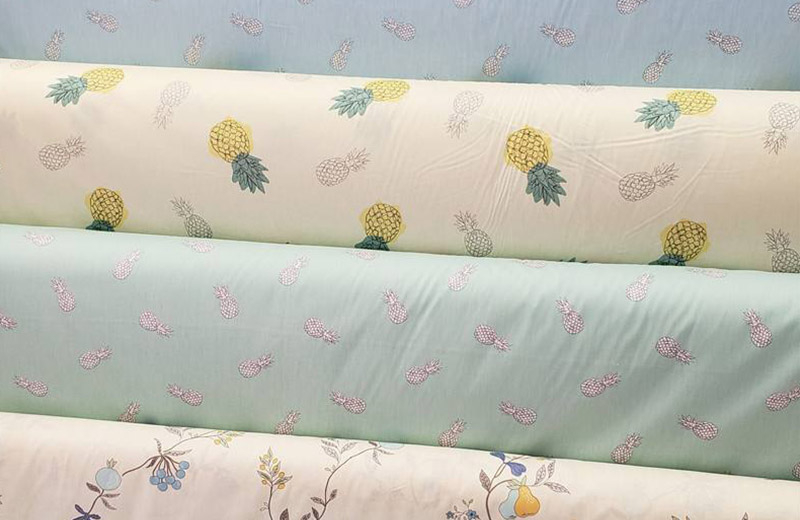
Selecting between a water jet loom and an air jet loom starts from fabric type and production direction. Each loom performs differently depending on yarn structure, material behavior, and production consistency. A clear understanding of product focus helps avoid mismatched investment and unstable output later.
Production decisions often align with the following scenarios:
Synthetic Fabric Production Focus
Polyester and nylon filament yarns perform well on a water jet loom. Smooth yarn surfaces allow stable movement under water flow, which improves weaving speed and reduces defects. Continuous production lines benefit from consistent fabric structure and lower yarn breakage.
Diversified Fabric Production Needs
Factories producing cotton, blended yarns, and multiple fabric categories often prefer air jet looms. Air-based insertion adapts better to different yarn properties, making it easier to switch between product types without major adjustments.
Matching Loom Type to Product Line
A narrow product range supports specialization, making water jet looms more efficient for large-volume synthetic fabrics. A wider product mix requires flexibility, where air jet looms provide better adaptability for changing orders and fabric styles.
Cost evaluation involves more than just machine price. Infrastructure, utilities, and long-term operating expenses all affect the total investment. Both loom types require different supporting systems, which directly influence installation and daily operation.
Important cost-related considerations include:
Initial Investment Structure
Water jet looms generally have a lower equipment cost compared to air jet looms. Simpler mechanical design reduces upfront expenses, making them suitable for cost-sensitive production setups.
Utility System Requirements
Water jet looms require stable water supply and filtration systems. Water circulation systems help reduce consumption and improve sustainability. Air jet looms depend on compressed air systems, including compressors and pipelines, which increase energy demand.
Environmental and Infrastructure Factors
Water management systems require drainage and recycling facilities. Air systems require stable electricity supply and sufficient space for compressors. Factory layout and local resource availability influence the final decision.
| Factor | Water Jet Loom | Air Jet Loom |
|---|---|---|
| Initial cost | Lower equipment investment | Higher machine and system cost |
| Utility requirement | Water supply and recycling system | Compressed air system and power supply |
| Infrastructure impact | Requires water treatment setup | Requires air compressor installation |
Efficiency and scalability determine long-term production capacity. Machine selection should consider not only current needs but also future expansion and production flexibility.
Key decision points include:
Production Volume Consideration
Large-scale production of a single fabric type benefits from water jet looms due to stable speed and lower operational complexity. High-volume output becomes easier to maintain under consistent conditions.
Flexibility vs Specialization Trade-Off
Specialized production favors water jet looms because of optimized performance for specific materials. Flexible production environments benefit from air jet looms, where different yarn types and fabric designs can be handled efficiently.
Future Expansion Planning
Growth strategies influence loom selection. Expanding into diverse fabric categories supports choosing air jet technology. Scaling up existing synthetic fabric production supports continued use of water jet looms.
Operational Efficiency Factors
Energy use, maintenance frequency, and production downtime affect overall efficiency. Water jet looms often provide stable operation in controlled environments, while air jet looms require more precise system management to maintain performance.
Air jet and water-jet loom differ in insertion, fabric use, and cost. Water jet loom suits synthetic fabrics and stable output. Air systems offer flexibility for mixed materials. Haijia provides both loom types, combining reliable performance, efficient production, and responsive technical support for textile manufacturers.
A: Air jet and water-jet loom differ in insertion method. Air uses compressed flow, water jet loom uses pressurized liquid.
A: Air jet and water-jet loom support different materials. Water jet loom fits polyester, air handles cotton and blends.
A: Air jet and water-jet loom differ in efficiency. Water jet loom offers stable weaving for synthetic fabrics.
A: Air jet and water-jet loom vary in cost. Air systems need more energy, water jet loom uses water circulation.
A: Air jet and water-jet loom selection depends on fabric type. Water jet loom suits focused production needs.